About us
–


–
Mission
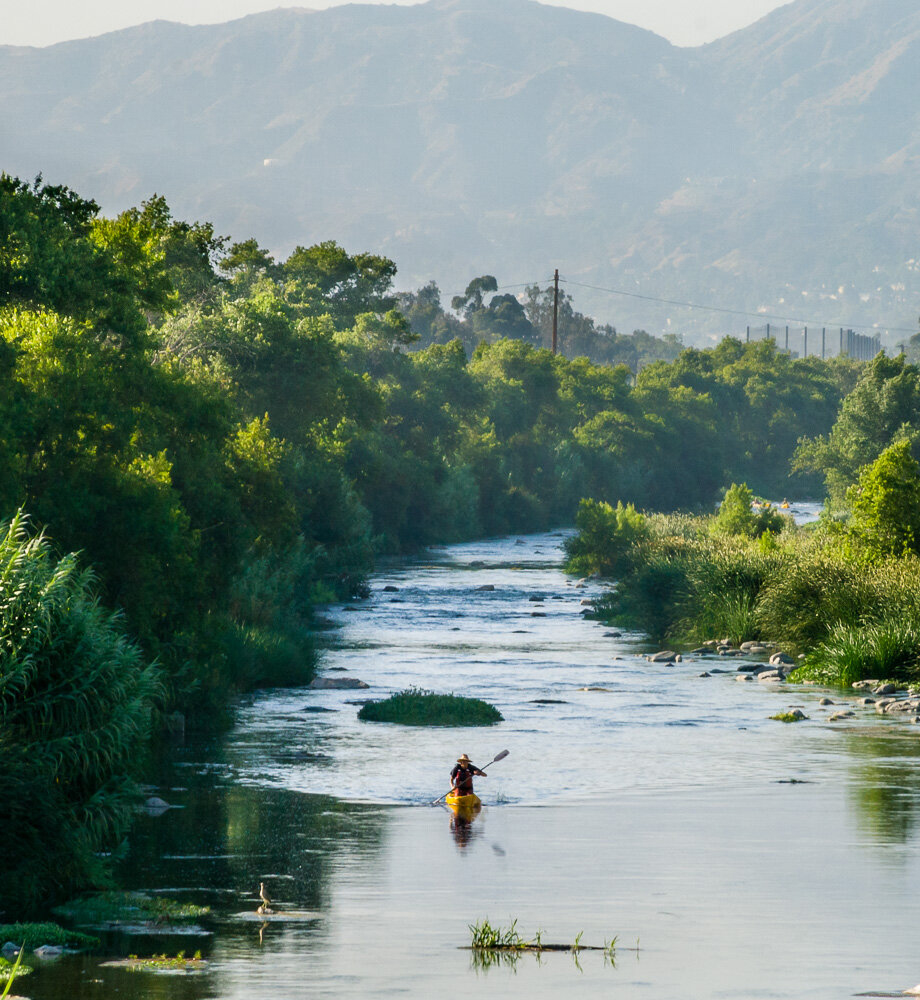
We build capacity for communities, students, and future leaders to advocate for nature, climate, and equity on the Los Angeles River.
Vision
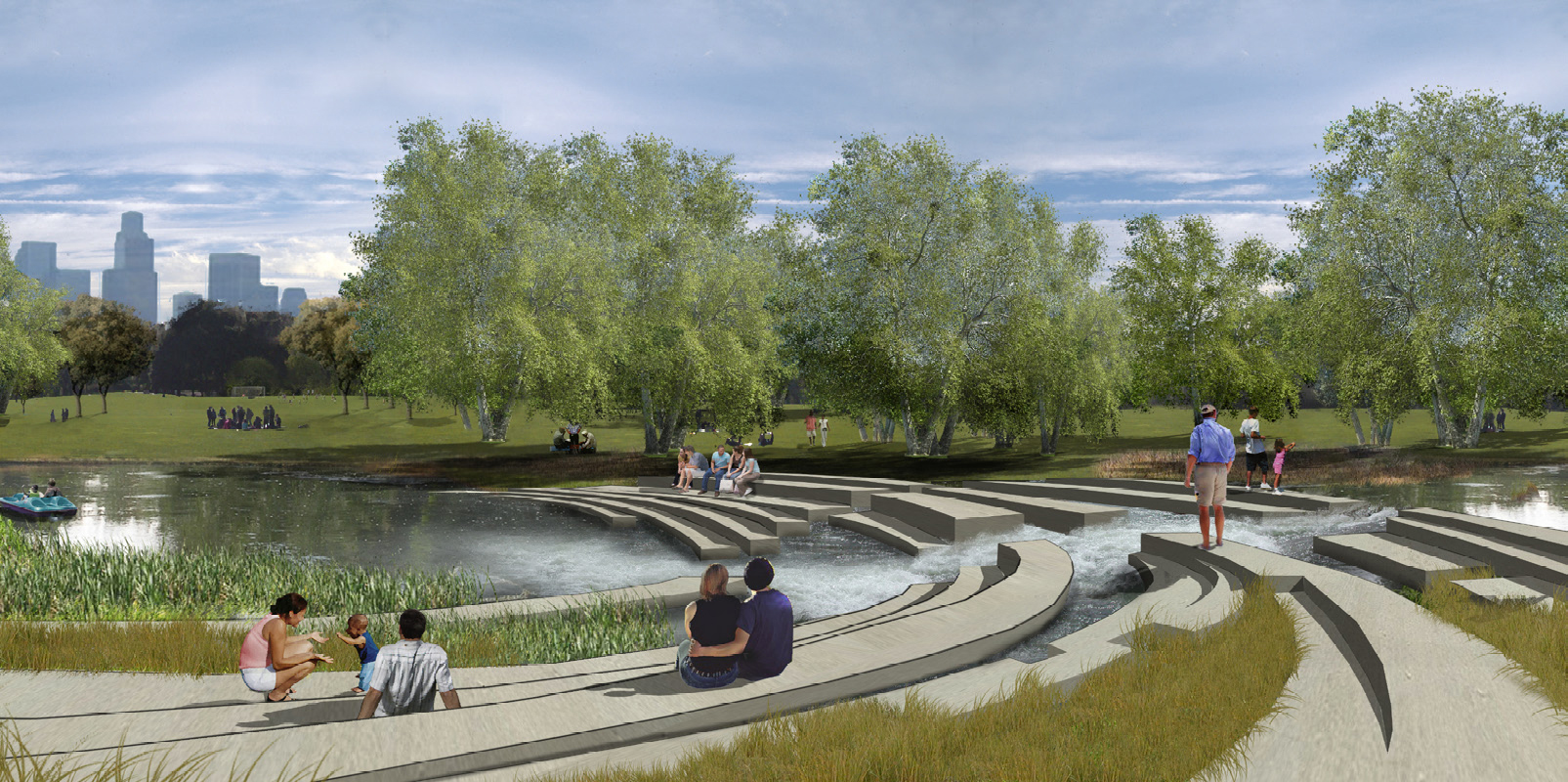
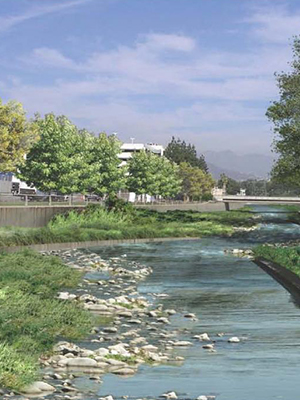
We envision a verdant Los Angeles River that supports vulnerable communities in climate adaptation. The river will be transformed into a dynamic, functioning ecosystem that reduces flood risk, cleans the air, cools temperatures, and supports the biodiversity essential to our collective wellbeing.
FoLAR’s Equity Statement
The LA River traverses through diverse communities of people, plants, and geographies. It provides an opportunity to reshape our environment in a way that is more inclusive, equitable, and just. We are committed to building a team, leadership, and a River Movement that is as diverse as the communities the River touches. We believe in working with nature and alongside communities to achieve climate resilience, park equity, and environmental health for all.
Land & River Acknowledgement
The land and the River we work on is the ancestral homeland of Indigenous peoples who were dispossessed of their land. They are the original stewards of the Los Angeles River and these lands. We acknowledge our presence on the unceded territory of the Gabrieleño-Tongva, Fernandeño Tataviam, Gabrieleño-Kizh, and Chumash peoples, and are deeply grateful to the Ancestors, Elders, and Relations.
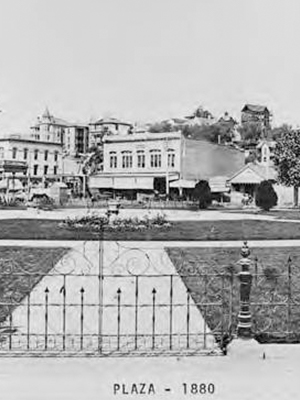
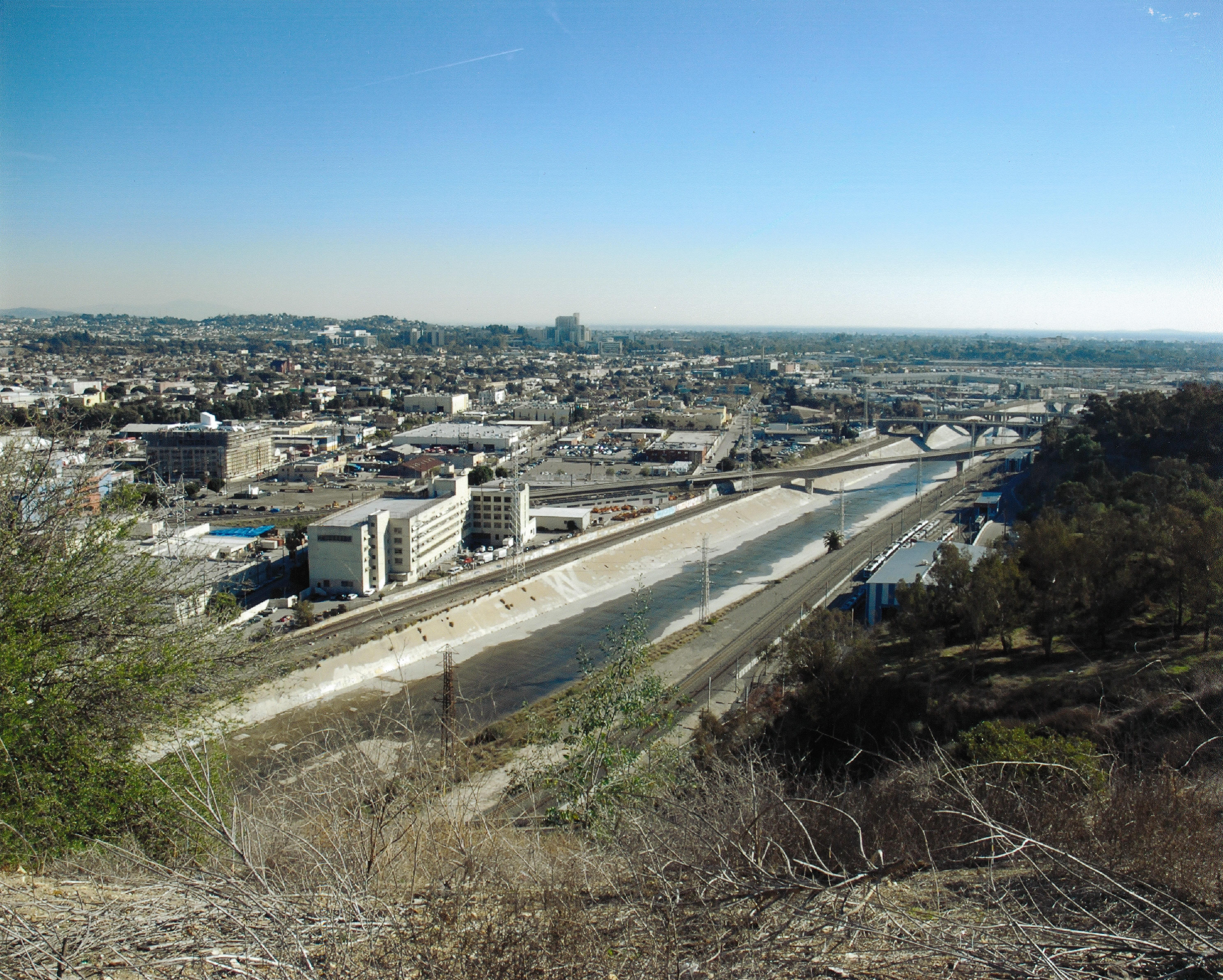
The Los Angeles River is the birthplace of our region and was once the thriving, unifying water source for the people and wildlife of Los Angeles. But that connection and our collective history was severed when the River was encased in concrete and fenced in 1938. In an act of civil disobedience, poet activist Lewis MacAdams took the first steps to repair that severed connection in 1986 when he cut a hole in the chain link fence that obstructed Angelenos from their rightful River. He declared the River open to the people and swore to serve as its voice. And so, Friends of the Los Angeles River (FoLAR) and the River Movement were born.
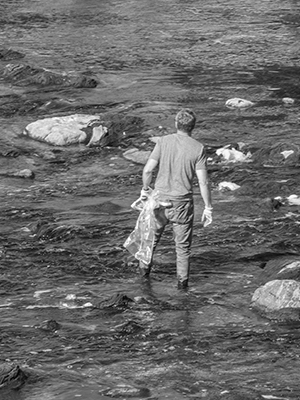
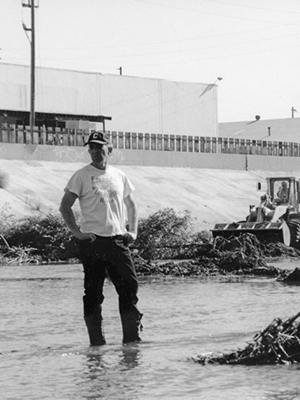
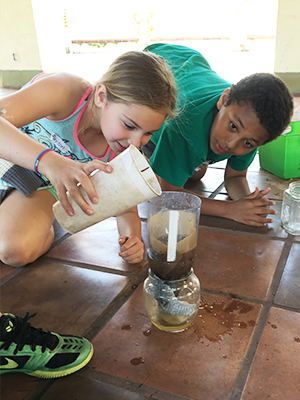
FoLAR has endeavored for over 30 years to restore community connection and natural ecology as the single largest unifying force on the River – educating, empowering, and mobilizing over 50,000 Angelenos to repair habitat and fight for the policies that will reclaim our collective right to a healthy, thriving, and equitably accessible Los Angeles River. With climate change upon us, we envision an increasingly natural river that prioritizes nature-based solutions and the well-being of the communities alongside it. Our theory of change is that by connecting to the River, an educated public will be encouraged to take on the responsibility for the River and LA’s broader environmental health; fighting for, stewarding, and reaping the benefits of a healthy, climate resilient Los Angeles River.









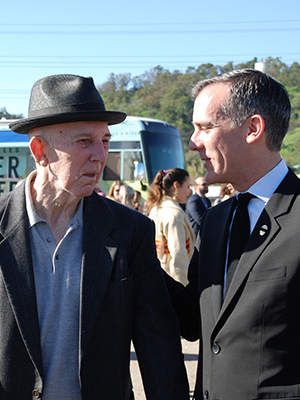


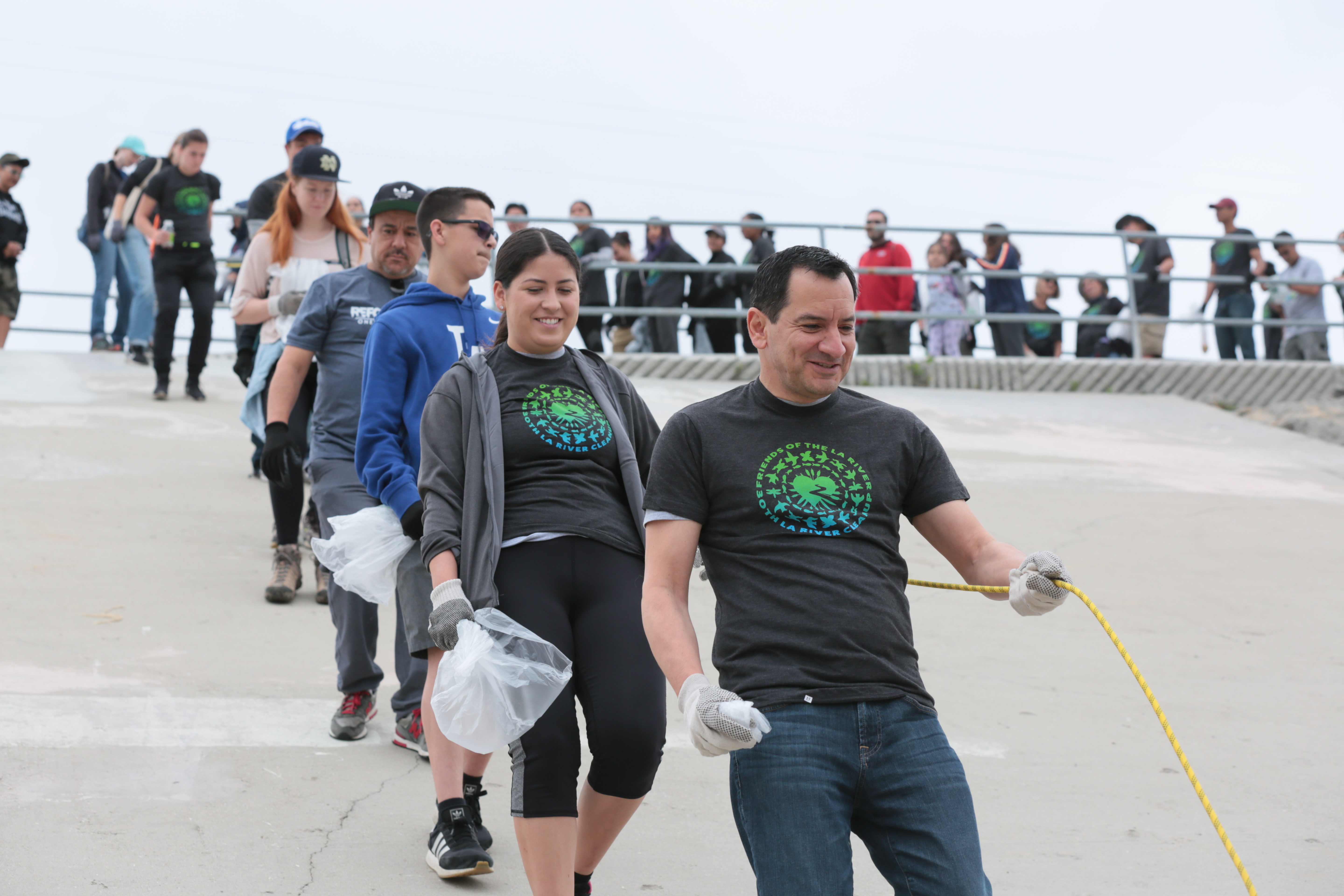
We have a passionate, smart, creative, and fun team working tirelessly to ensure equitable public access and ecological vibrancy on the LA River. We believe the River is a present-day source of life and opportunity for all Angelenos.
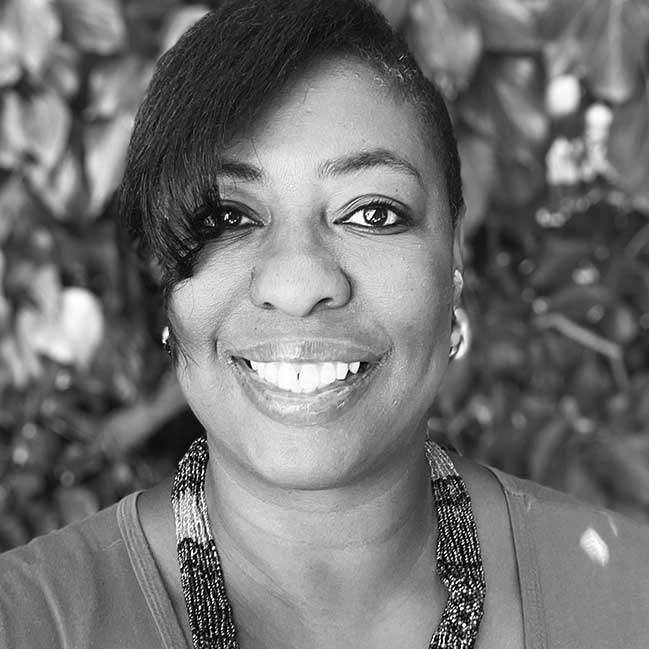
Candice Dickens-Russell
Chief Executive Officer (CEO)
(she/her)
Erin Viera
Chief Operations Officer (COO)
(she/her)
Jason Schlatter
Chief Development Officer (CDO)
(he/him)
Elisabeth Aukee
Environmental Educator
(she/her)
Danette Bouzanquet
Youth Engagement Manager
(she/they)
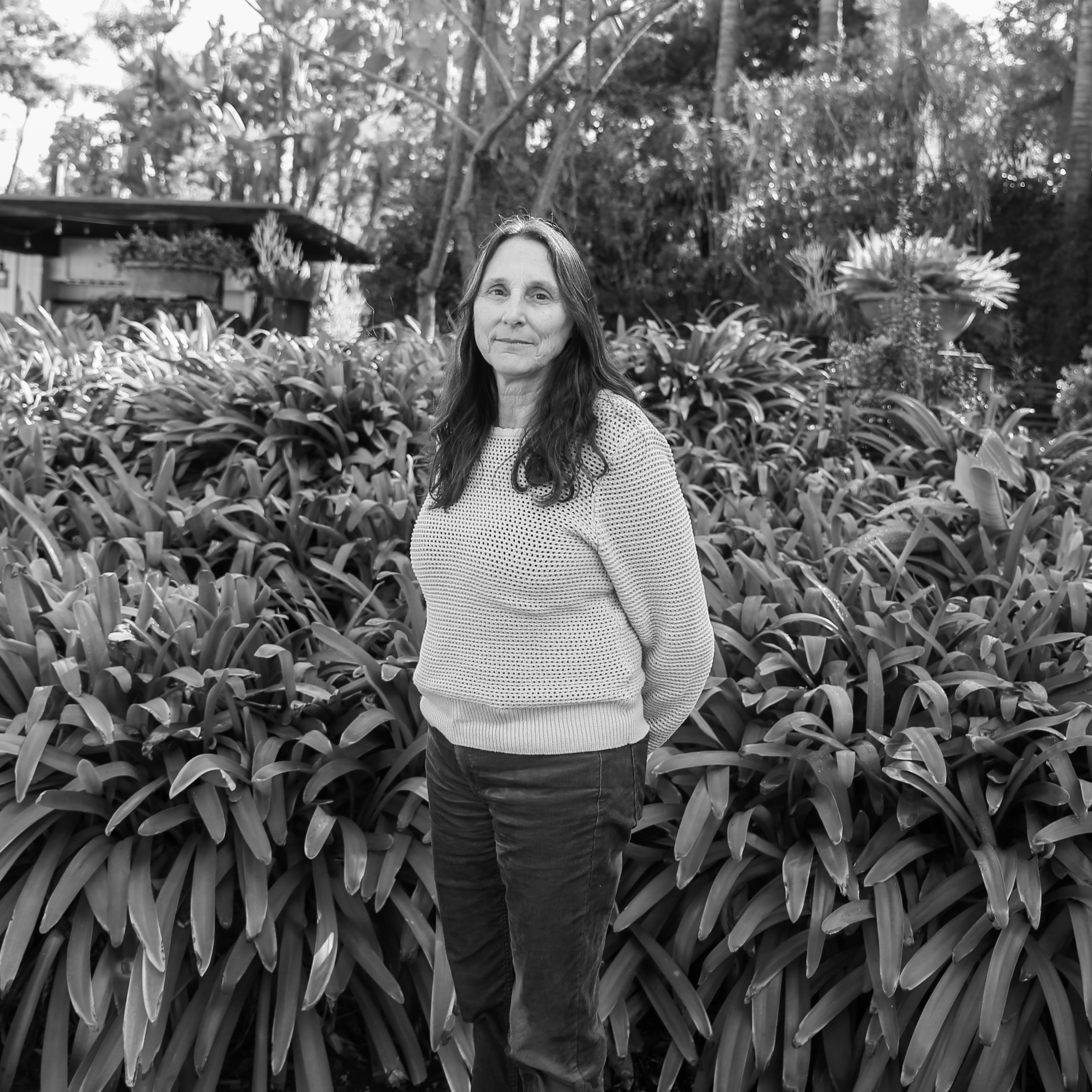
Heather Selwitz Briglia
Office Coordinator
(she/her)
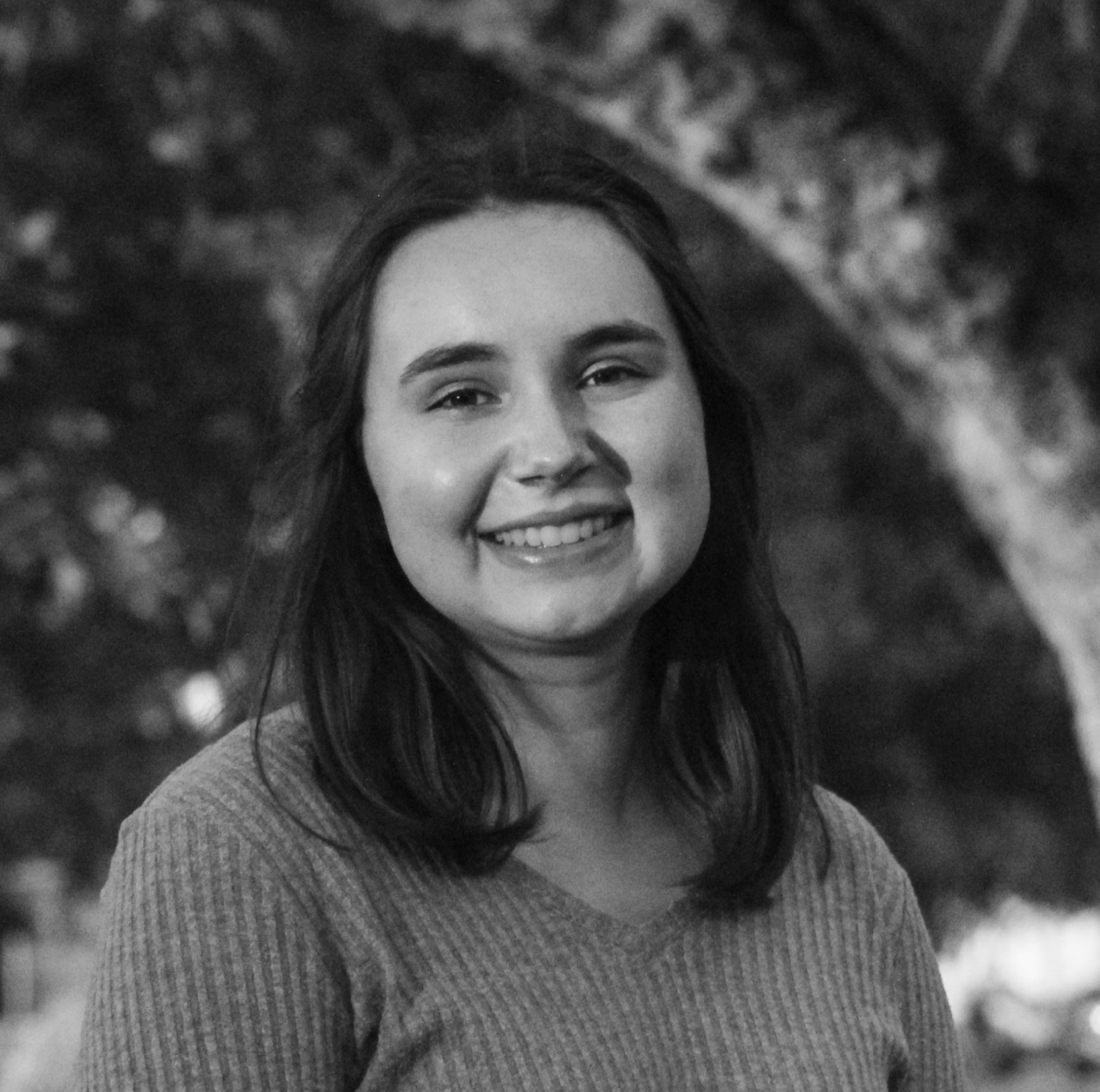
Kristen Brown
Development and Fundraising Projects Manager
(she/her)
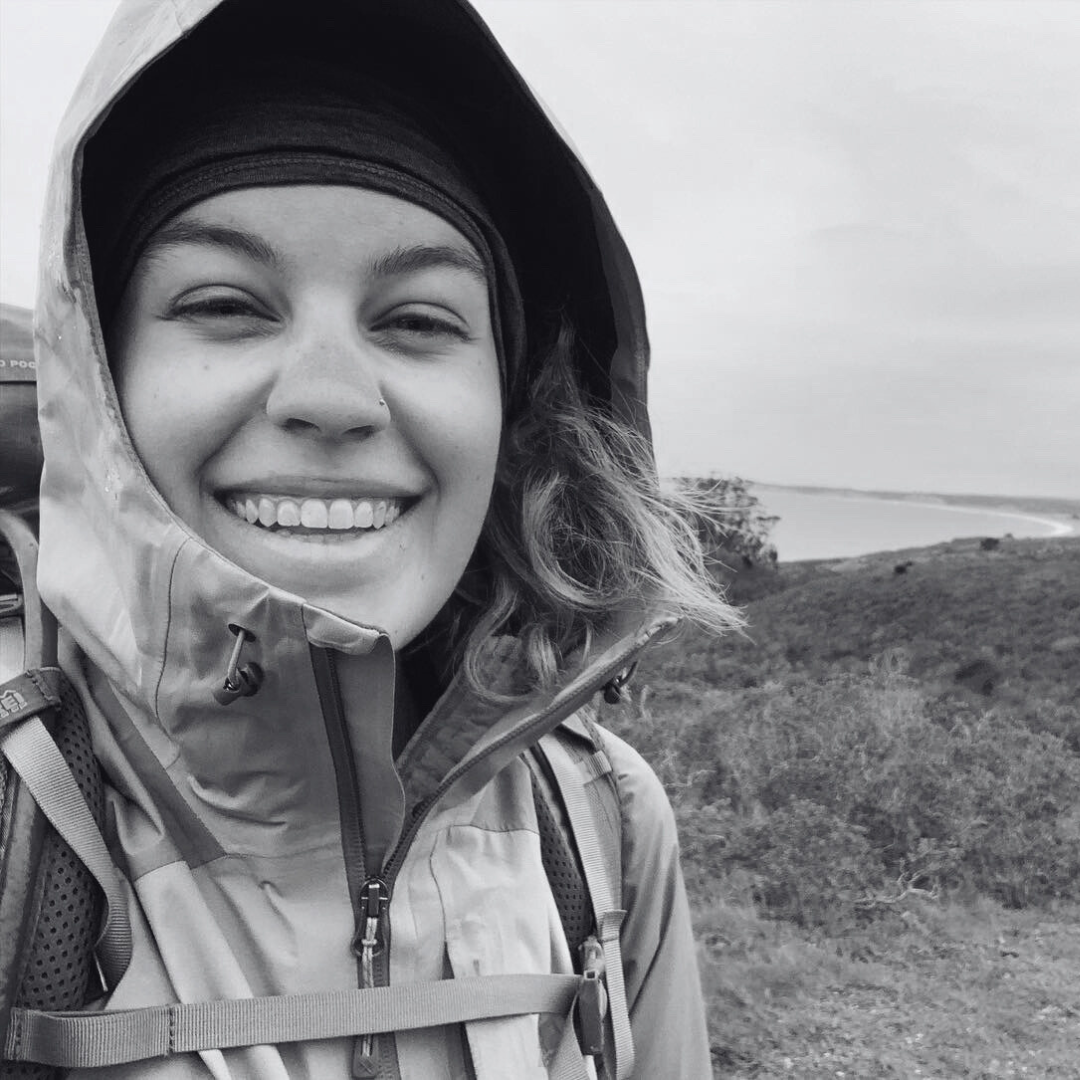
Rebekah Geiselman
Environmental Educator
(she/her)
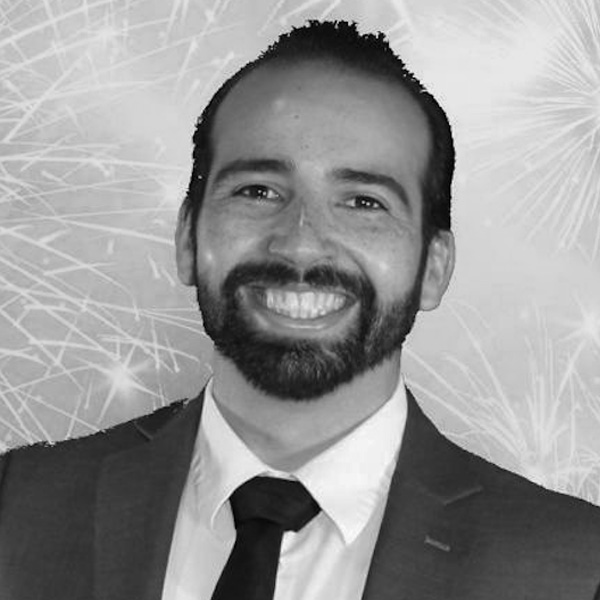
Kevin Jauregui
Sr. Education Programs Manager
(he/him)
Dan Mott
Environmental Educator
(he/him)
Sarah Navarrette
Sr. Events and Volunteer Manager
(she/her)
Vanessa Perez
Development Coordinator
(she/her)

Jessica Rodriguez
Director of Strategic Communications
(she/her)
Mireya Valencia
Director of Education
(she/her)
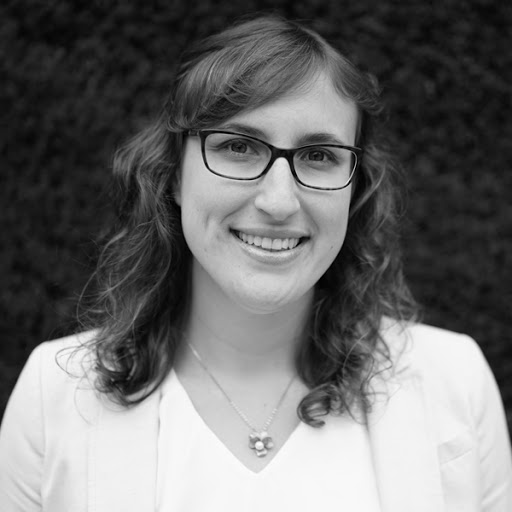
Natasha Keefer
Chairperson of the Board
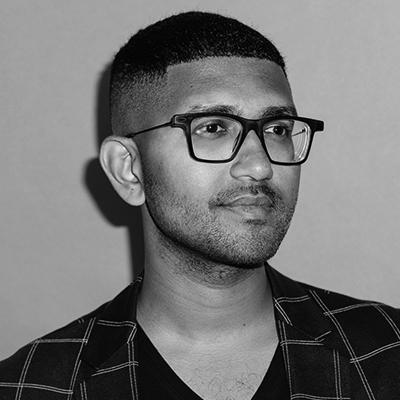
Vikrum Aiyer
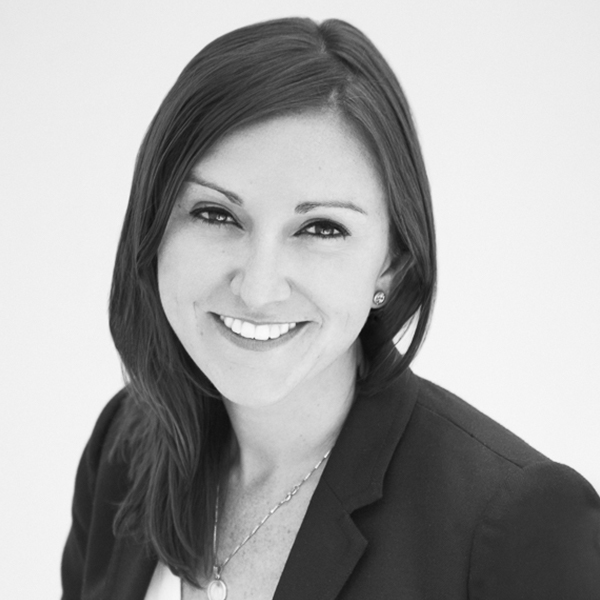
Jaime Carlson
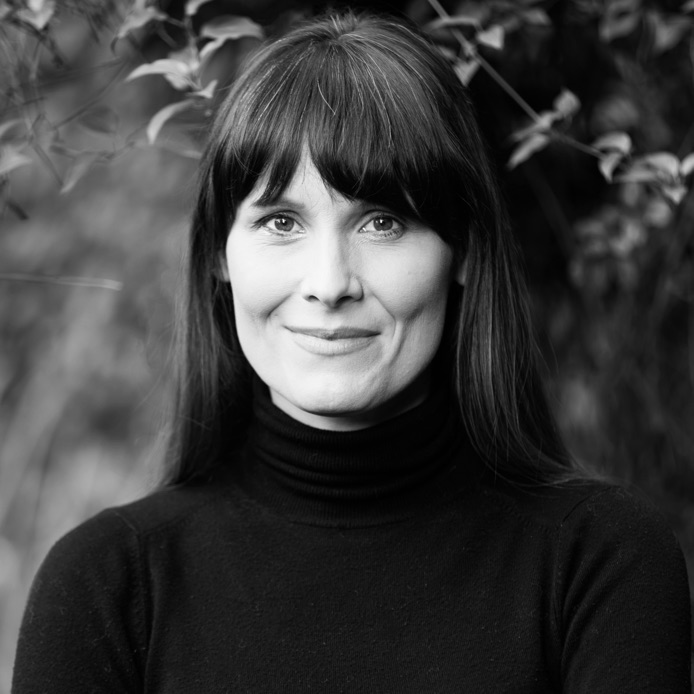
Marissa Christiansen
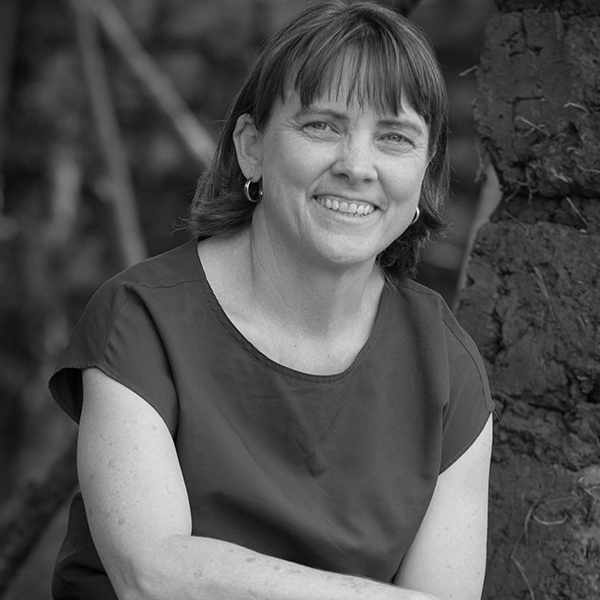
Ruth Coleman
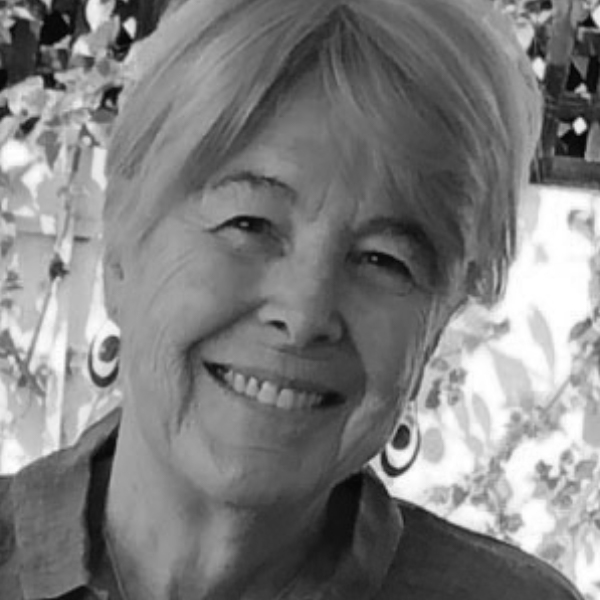
Brenda Eddy
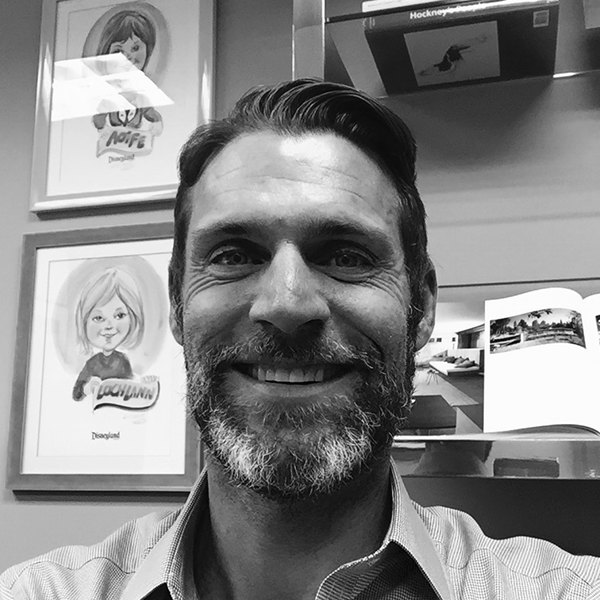
M-K O’Connell
Treasurer of the Board
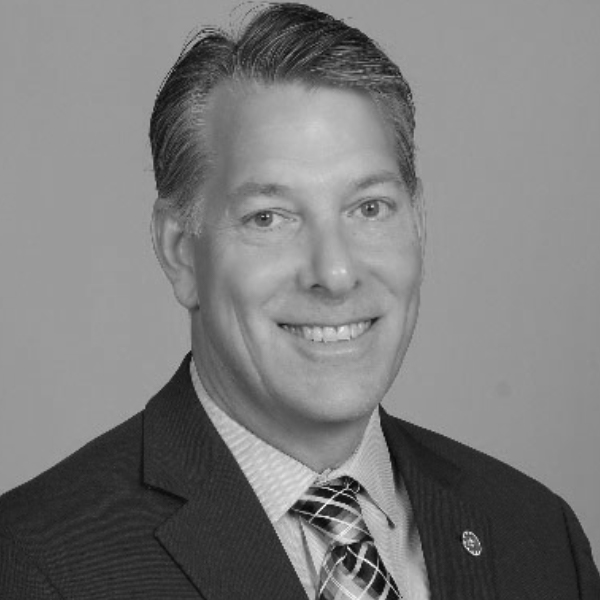
Ed Othmer
Steve Veres
Mike Kelley

Mia Lehrer
Pauline K. Louie
Ocean MacAdams
Damon Nagami
Dan Rosenfeld
Nestor Valencia
Alex Ward
[gravityform id=2 title=false description=false ajax=true]
As a native of the Lower LA River, Candice is a leader in sustainability, equity, and education across the State of California. She has been working in the nonprofit sector for over 20 years, with experience working with school districts, government agencies, utilities, and municipalities on sustainability and environmental education. As a leader in equity and environmental justice, Candice has guided several organizations in their equity strategic planning. Candice lives along the Rio Hondo in a hidden eco cottage with her husband and ten year old daughter.
Andrea describes herself as a pragmatic idealist and left her early years in investment banking/consulting to bring appropriate business acumen to the task of social and environmental change. She is excited by bold, scalable solutions to systemic challenges. Andrea fell in love with the L.A. River on a tour of it with FOLAR founder Lewis MacAdams. Since then, she has been annoying everyone at FOLAR with her insistence that Long Beach is the center of the universe. When Andrea is not analyzing spreadsheets and creating policy and budgets for FOLAR, she can usually be found near or in the ocean with her husband and their young son.
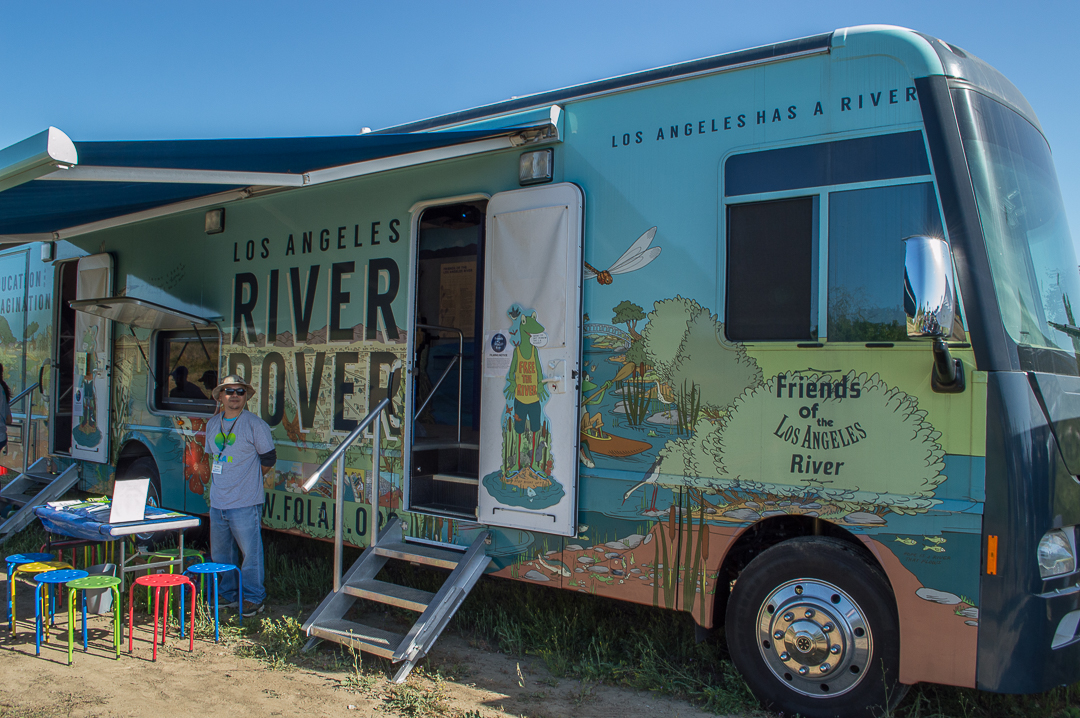
One of Shelly’s earliest memories is catching a bird in her bare hands. After a weekend birding trip to Mono Lake she was hooked. It’s just one of the reasons she is so passionate about plans and projects that re-create wetland habitat along the Los Angeles River. Shelly shares this enthusiasm at any opportunity whether it’s leading a tour, running a field trip activity with elementary school children or meeting a community member on the Los Angeles River Rover. If you see Shelly out on the River don’t be surprised to hear her squeal, “Oh, look! There’s an osprey!” and she’ll talk about what it was like being out on the River with biologists during FoLAR’s first fish study. She knows that a swimmable, fishable, boatable Los Angeles River is possible, just ask her about what the time she fell out of a kayak in the Glendale Narrows.
Ivana was born and raised in Southern California, with a brief stint at a young age in her family’s native northern Mexico. Both regions inspired an early love for all things nature – from the wildlands just a stone’s throw away from either city, to the urban wildlife that calls Los Angeles home. Inspired by this love, she graduated from USC with a degree in environmental studies and was part of a pioneering team that helped launch the Audubon Center at Debs Park, an environmental education center in Northeast LA. Today, you’ll find Ivana connecting donors to FoLAR’s mission, often on a kayak, immersing them in the River’s beauty.
Chris is an LA native who grew up in near the River and developed a passionate love for all things Los Angeles. He’s dedicated to public service and has worked with organizations from his old high school’s Science Bowl Team to the American Red Cross. At FOLAR you can find Chris working to keep the community connected to FOLAR’s work. Whether it’s working up with the Policy team to activate the community in the fight for river restoration or putting out the call to gather for the next big LA River event, Chris in the middle of the action.
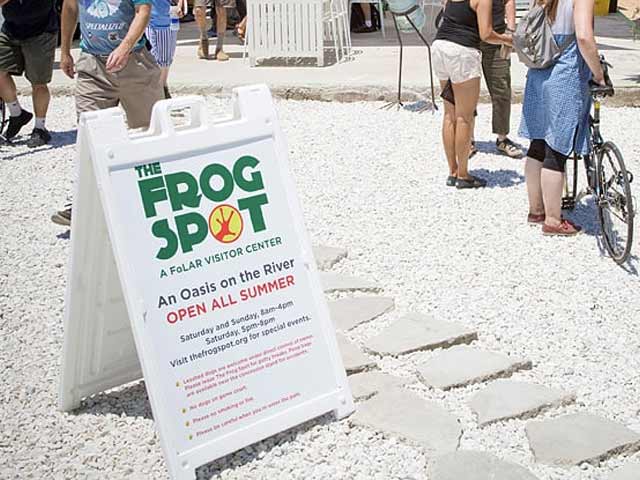
Native Angelino, Johanna has lived her entire life in her beloved birth city. In the midst of earning her Psychology degree from Antioch University, Johanna took a course on the Los Angeles River. The course exposed Johanna to a bounty of interesting facets of The River and more importantly, the effects The River has on the lives of Angelenos. She fell head over heels in love with the Los Angeles River and her commitment to the LA River was born. The Frog Spot was inspired and born of Johanna’s desire to marry the Los Angeles River with the community through art, music, local history and native culture. Johanna has also curated Fandango since conception and been on all efforts to grow the Great LA River CleanUp: La Gran Limpieza.
As Policy & Advocacy Manager, Stephen helps support and lead the execution of FOLAR’s policy and advocacy initiatives. As a native Angeleno, Stephen places special emphasis on the inclusion of underserved communities in environmental discourse. For the past 5 years he’s worked throughout LA County building watershed literacy, inspiring local stewardship and empowering community voices of all ages in local watershed planning efforts. He’s pretty stubborn about the connection between social and environmental health, the importance of acknowledging injustice, and the strength of optimism and hope. When he’s not being dramatic, you can find him riding his bike, exploring the city or some hidden park. He’s also a sucker for board games, maps, street art, food, and good company.
For the past decade, Mr. Bowling has been working at FOLAR on various River projects. From managing fish studies to creating the First-Ever catch and release fishing derby on the L.A. River to presentations on river history, you can really ask him anything. William provides support for educators from K to College by bringing a detailed river curriculum followed by a visit from FOLAR’s mobile museum, the Los Angeles River Rover to schools and community events within the watershed. You may also find him hosting several River tours each year; in person and in Virtual Reality.
Galina grew up in Northern California, and developed a reverence for nature among our great state’s rivers, lakes, and ancient forests. Prior to joining FOLAR, Galina worked for the Downtown Women’s Center in LA’s Skid Row. She joined DWC’s development team in the throes of a 35m dollar capital campaign which ultimately provided 71 new units of permanent supportive housing for homeless women. Over three years at DWC, she recognized her passion for nonprofit development and its essential power to enact positive change. She loves the tranquility the River brings amidst the bustling city, and enjoys bird watching along its banks. You can find Galina writing grant proposals and working with donors, in service to a shared vision of a healthy, dignified LA River for generations to come.
Alexandra is an administrative assistant for Friends of the LA River. She was one of many Angelenos who didn’t know a Los Angeles River existed, but as soon as she was introduced she fell in love with the beauty of it. Inspired by all of the dedication and passion from Friends of the LA River, she made her way into the family and now proudly works hand in hand with founder Lewis MacAdams and the rest of the FOLAR to continue the artwork that Lewis began.
Liliana Griego has a passion for weaving science, art, and policy together for the betterment of people and the planet. She currently serves as Director of Policy, Advocacy, and Engagement for Friends of the LA River. As an Angelino who grew up along the Arroyo Seco, she has had an intimate relationship with LA’s living waterways and uses her story and scientific background to advocate for a healthy, resilient, and equitably accessible LA River. In addition to being a river advocate, Liliana is also a public lands advocate. She serves as a member on the Executive Committee for the Sierra Club Angeles Chapter and the National Park Conservation Association’s Young Leaders Council. Liliana has a Bachelor of Science in Environmental Science and an International Master of Science in Marine Biodiversity and Conservation.
Lewis MacAdams is an American poet, journalist, political activist and journalist. In 1986, MacAdams created Friends of the LA River, a “forty-year artwork” to bring the Los Angeles River back to life. In the years since, FOLAR has become the River’s most important and influential advocate, with an E- newsletter and social media that reaches over 60,000 people. Among FOLAR’s many projects are “La Gran Limpieza,” the Great Los Angeles River Clean-Up, the largest urban river clean-up in the United States; a summer length riverfront cabaret, The Frog Spot, that has welcomed nearly 40,000 visitors; a collaboration with the Aquarium of the Pacific, a K-12 “River School” outdoor education curriculum; the “Los Angeles River Rover,” a 38-foot recreational vehicle designed as a mobile classroom; and the first reports on legal access to fishing on the L.A.River. His pamphlet, D-Town Visions: Building A City The River Can Be Proud Of, was published at the beginning of 2008 by The Natural Resources Defense Council. Friends of the LA River was able to organize and lead multi-ethnic, multi-racial, multi-class coalitions that stopped major riverfront industrial developments leading to the creation of a pair of State parks in the Cornfield and the Taylor railroad yards.
He is currently on the Board of Directors of Friends of the LA River and centers his time on his book Poetry and Politics, a clear depiction of his lifelong work.
Charles has spent his career as an environmental and natural resources attorney, as a manager of businesses in those fields, and in the development of nonprofit organizations. Coming to Los Angeles and a neighborhood abutting the Los Angeles River in 1980, he became interested in the river and its potential while exploring and using adjacent roadways for biking and hiking. Before moving to Los Angeles, his career was spent in public service in Washington D.C., holding policy positions in the Department of the Interior and the Council on Environmental Quality, and working with nonprofit organizations. His work since has spanned businesses in environmental and alternative and conventional energy technology and energy conservation. He graduated from Cornell University Law School in 1970, holds a degree in international relations from the University of Colorado, and served as a U.S. Navy officer. Since associating with FoLAR in 2009, he has worked on policy and legislation to open the river for public access and use and for river restoration.
Paul Keller has over thirty years of experience in real estate and construction industries and is a founding Principal of Mack Urban, LLC. He is involved with the firms’ strategic direction, capital market relationships and tactical management of all Mack Urban investments.
Mr. Keller formerly led Urban Partners, Keller Equity Group, Keller CMS and Keller Construction Company. Mr. Keller and Keller-related entities have been responsible for over 2,000 projects in the continental United States and Hawaii and have provided program development, project and construction management oversight services to a variety of clients on projects valued in excess of seven billion dollars.
Mr. Keller is highly regarded in the industry for his comprehensive grasp of asset and project management details and his ability to match leasing, construction and financing requirements.
Among his activities, Mr. Keller is a member of ULI (Urban Land Institute) Los Angeles Advisory Board; ULI Los Angeles Land Use Leadership Committee; member of The Los Angeles Coalition for the Economy and Jobs; board member of the L.A. Streetcar Initiative (LASI); board member of FOLAR (Friends of the L.A. River) and a member of the Central City Association of Los Angeles and a board member of Friends of Waterfront Seattle.
Previous community leadership roles include: Chairman of Eimago (formerly Union Rescue Mission Foundation) and former Chairman of the Board of Directors, Seven Arrows Elementary School in Pacific Palisades, California.
M-K O’Connell joined M2O, Inc. as a Managing Director in 2009. The firm invests in growth business, particularly those in which a founder is looking to transition his or her company to the next generation of entrepreneurs. M-K is responsible for meeting with potential entrepreneurs and helping them source acquisition opportunities. He also helps ensure a smooth transition from the founder to the new management team.
When he is not monitoring the progress of portfolio companies, M-K can often be found wandering the trails of Griffith Park with his dog and two children. Of course, you’ll find the whole family plucking refuse from the river at the Glendale Narrows during the annual Grand Limpieza.
M-K received his B.S, magna cum laude, from Boston College and his MBA from The Wharton School at the University of Pennsylvania where he was the recipient of the Thomas P. Gerrity Leadership Award.
Mr. Bar-Zemer is the principal at Linear City Development LLC, a real estate development company that focuses on the revitalization of Downtown Los Angeles. Bar-Zemer developed the initial properties that touched off the Arts District and have since led a transformative urban and social process that contributed to a unique urban success story. As a result of his development efforts, the Arts District is considered one of the most desirable neighborhoods in Los Angeles for residential, commercial, culinary and retail uses alike. In addition, Mr. Bar-Zemer is the landlord partner of several notable restaurants including Bestia, Church & State, and Winsome.
Mr. Bar-Zemer was born and raised in Jerusalem. He attended the Music Academy of Jerusalem (1983-86) and continues to be an avid supporter of the arts here in Los Angeles, particularly jazz and opera, as well as dance and the fine arts.
Mr. Bar-Zemer is a board member of the following organizations: LARABA, ADCCLA, Arts District BID, Historic Cultural Neighborhood Council, Impact Hub LA, the Institute of Field Research, Friends of the LA River, the Institute of Contemporary Art (formerly the Santa Monica Museum of Art, the Toy Factory Lofts HOA, the Biscuit Company Lofts HOA, the Design Advisory Committee for the Sixth Street Viaduct Replacement Project, the Technical Advisory Committee for the In-Channel Bike Path and the Preservation Zoning Advisory Committee (ZAC) for re:code LA.
Mr. Bar-Zemer is also the co-founder of the app Kitchen Table, which brings people together to share dining experiences, make memorable meals accessible and easy, and redefine what it means to eat local. Yuval is passionate about the future of cities, in particular about Los Angeles and the possibility of the River connecting residents and inspiring diverse mobility.
Ruth Coleman has held positions in the public and nonprofit sector for twenty-six years. Currently, Ms. Coleman serves as the Executive Director of the Relationship Coffee Institute (RCI), the non-profit affiliate of Sustainable Harvest Coffee Importers. In this capacity, she is responsible for overseeing the organization’s operations and managing strategic relationships. In 2013 The Relationship Coffee Institute was selected by Bloomberg Philanthropies to bring its innovative economic Relationship Model of development to low-income rural women based in Rwanda. Ms. Coleman manages multi-year project to improve the livelihoods of 25,000 low-income Rwandan women coffee farmers through training and connecting the farmers to the international market.
Prior to joining RCI, she served for ten years as Director of the California Department of Parks and Recreation. Earlier in her career she worked for the California Legislature as a fiscal analyst as well as a natural resources policy advisor.
Ruth was a Peace Corps volunteer in Swaziland, Africa. She is a graduate of Occidental College and has a Master in Public Administration from the Harvard Kennedy School.
Jennifer Wangers was instrumental in creating Sierra Club Green Home, the first-ever social entrepreneurship model attempted by the Sierra Club in its 124-year history. The purpose of SCGH.com is to enlighten the average American about sustainable practices in their home and daily lifestyle. After running SCGH.com for five years, Jennifer sold the site to digital marketing aggregator Fractl.
Jennifer studied environmental design and sustainability at Art Center College of Design in Pasadena. Following Art Center, she earned a Masters in Urban Planning and Sustainable Design at the University of California, Irvine. Jennifer is a LEED Accredited Practitioner. Ms. Wangers earned a Fulbright Scholarship in 2013-14 which she performed in Israel to teach a water management at Arava Institute in the Southern Israeli desert. Jennifer is a widely quoted media analyst and was previously a frequent green expert guest on ABC’s Good Morning America.
Away from work, Jennifer follows art and design avidly, serves on the Friends of the L.A. River Board, and is a long time hobbyist pilot trained in a Cirrus SR-22T, Cessna 414 and Beechcraft Duchess multi-engine aircraft.
It is Jennifer’s firm belief that with the right tools and education, women have infinite potential. Entity is founded on the concept that building and refining lifelong skills as well as positive character traits will greatly enhance your future. Suffice it to say, Jennifer is a woman that does.
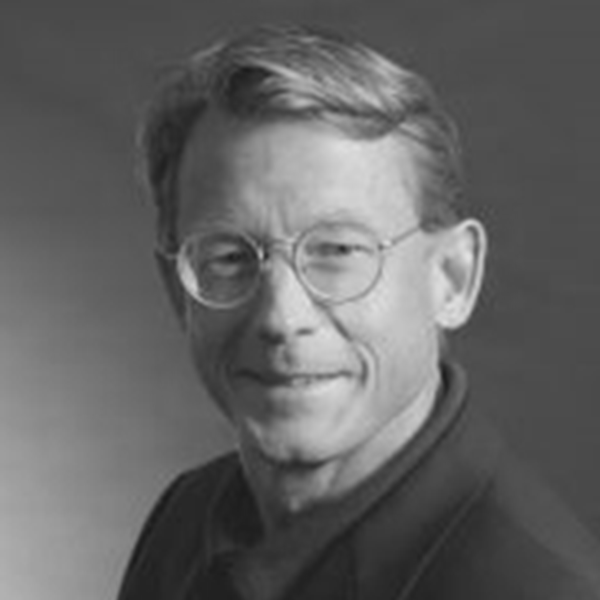
Alex Ward is an architect with over thirty-five years of experience designing projects from Tokyo and Beijing to Hong Kong and London, New York, Chicago and Los Angeles, including airports, churches, private homes, office towers, stage sets and bridges. He has lectured and taught design at schools from the Rhode Island School of Design to Cal Poly Pomona. He has installed solar panels on roofs in underserved neighborhoods for Grid Alternatives. A hiker and bird-watcher and avid student of urban design, he believes that a restored Los Angeles River is a vital part of the future of the city of Los Angeles and region.
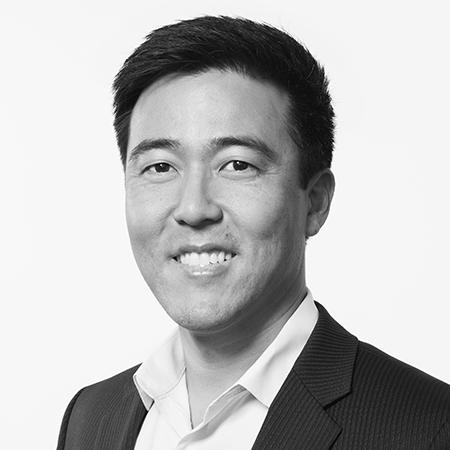
Damon Nagami is a Senior Attorney and director of NRDC’s Southern California Ecosystems Project, which focuses on wildlife preservation, parkland protection, and sustainable land-use planning. Most recently, he has been fighting to prevent a toll road from paving over California’s San Onofre State Beach and working with communities to evaluate potential routes for a proposed high-speed rail line through downtown Los Angeles. Nagami also codirects NRDC’s Community Fracking Defense Project, which helps local residents and elected officials across the country exercise their democratic voice to protect their communities from the harms of industrial fracking. He holds a bachelor’s degree in environmental science from the University of California, Berkeley, and a J.D. from the University of California’s Hastings College of the Law. He works in NRDC’s Santa Monica office.
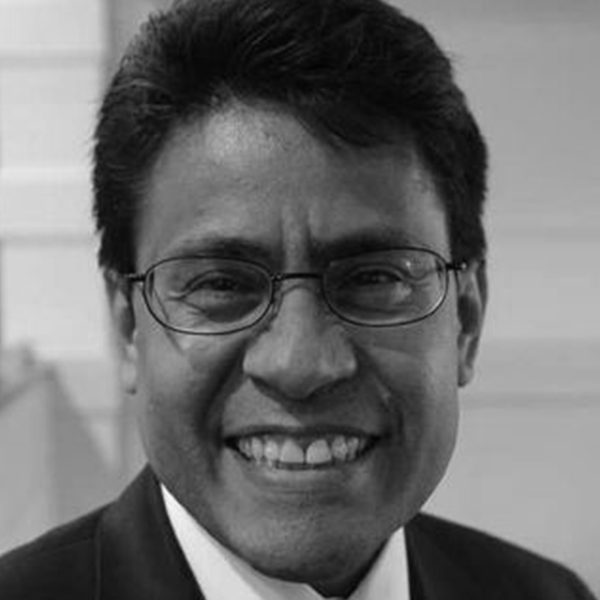
Nestor Enrique Valencia is a champion of social causes, including health care quality, the environment, public safety, and youth and senior programs. Endorsed by the Los Angeles County Democratic Party, he served as Bell’s Mayor and as a member of the Bell City Council until his retirement from public service in 2020. He is also a full time health care administrator.
Mia Lehrer leads Studio-MLA through the design and development of a diverse range of ambitious public and private projects that include urban revitalization developments such as Hollywood Park and San Pedro Waterfront, large urban parks such as Vista Hermosa Park in Los Angeles and Orange County Great Park at the El Toro Marine Base, and complex commercial projects like a Bio-tech Corporate Campus in Thousand Oaks. In recent years, several interesting historic renovation projects have been added to her repertoire; these include Union Station in downtown Los Angeles, the glamorous Hollywood Roosevelt Hotel, and Santee Court, an urban housing development that pays tribute to its interesting context – L.A.’s fashion district. Studio-MLA is a consultant for the Los Angeles River Revitalization Master Plan, leading efforts to identify and plan a comprehensive open space network that interfaces with channel restoration and urbanism.
Jon Christensen is an adjunct assistant professor in the Institute of the Environment and Sustainability, the Department of History, and the Center for Digital Humanities at UCLA. He is a founder of the Laboratory for Environmental Narrative Strategies in the IoES, and a senior fellow in UCLA’s cityLAB. He is editor of LENS Magazine, and a consulting producer for KCET/LinkTV’s “Earth Focus” programming, produced in collaboration with the Thomson Reuters Foundation. He is also a partner and strategic adviser at Stamen Design, a National Design Award-winning interactive design and technology firm specializing in mapping, data visualization, and strategic communications.
Jon was executive director of the Bill Lane Center for the American West, an interdisciplinary center for research, teaching, new media, and journalism at Stanford University before coming to UCLA. He has been an environmental journalist and science writer for more than 30 years. His work has appeared in The New York Times, Nature, High Country News, and many other newspapers, magazines, journals, and radio and television shows. He was a Knight Journalism Fellow at Stanford in 2002-2003 and a Steinbeck Fellow at San Jose State University in 2003-2004, before returning to Stanford to work on a Ph.D. in environmental history and the history of science.
He also serves on the board of directors of the Liberty Hill Foundation and the Los Angeles River State Park Partners.
[gravityform id=”7″ title=”true” description=”false”]
Alejandro Ortiz is an Architect / Entrepreneur based in Westwood CA. After completing his undergraduate studies at Berkeley, he interned for Steven Lerner, AIA in Providence, RI where we acted as Project Designer on several buildings at Brown University. In 1989, he moved to Los Angeles where he worked for Architects Frank Gehry, AIA and Frank Israel, AIA. After attending the UCLA Graduate School of Architecture and Urban Planning, he founded Alejandro Ortiz Architects, Inc. which he ran successfully for 20 years. He has since been engaged in Real Estate Management and is spearheading various Tech ventures as Founder and President of BulletNBoard, llc.
In addition to his diverse business activities, Alejandro has pursued his passion for the City of Los Angeles by actively contributing to a number of local organizations such as the LA County and the City of LA Departments of Parks and Recreation. He served on the Executive Board of the Music Center Fraternity of Friends and various Neighborhood Associations. He was appointed by Mayor Antonio Villaraigosa as Commissioner at the LA Community Redevelopment Agency. He has served on the board of FOLAR since 2011, occupying the position of Chair for 5 years.n.
Michael serves as Director of Communications and Impact with FoLAR to broadcast the organization’s vision to present projects, actions, policies, and events to grow the River community. For the past 7 years Michael has worked to improve the public health and environment within his neighborhood and city as an advocate committed to facilitating community-based climate change solutions.
Michael’s background in media production, community organizing, political campaigns, and small business make him profoundly appreciative of the importance of effective advocacy in the lives of Angelenos to promote clean air, clean water, and public access to open and vibrant spaces.
Alyssa is a native of Northeast Los Angeles and a student at Bryn Mawr College majoring in Urban Studies and Spanish. She is pursuing a path in urban planning and enjoys learning about how varied the field is. As part of the LA Promise Fund’s The Intern Project, Alyssa began as an intern at LA-Más in 2015 where she discovered the importance of the LA River and the advocacy efforts surrounding such an essential part of the city. She has previously been a part of the San Gabriel Mountains Forever Leadership Academy and Mayor Garcetti’s Youth Council. During her free time, Alyssa enjoys exploring the city, cycling on the river bike path, and reading outdoors.
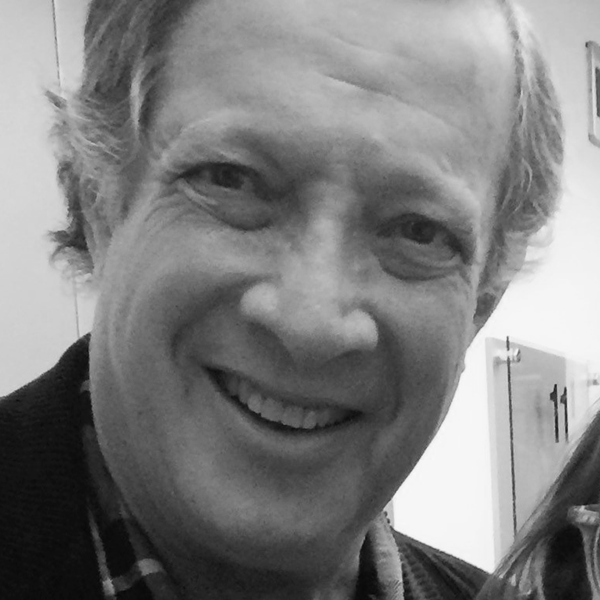
Dan Rosenfeld is a real estate investor who alternates between private and public-sector service.
In the private-sector, Mr. Rosenfeld served as a senior officer with The Cadillac Fairview Corporation, Tishman-Speyer Properties, and Jones Lang LaSalle. He was a founding member of Urban Partners, LLC, a nationally recognized developer of urban infill, mixed-use and transit-oriented real estate. Among the firm’s major projects are Del Mar Station, Wilshire/Vermont Station and the Caltrans District 7 Headquarters. Mr. Rosenfeld is currently developing and managing real estate in Los Angeles and Seattle.
In the public sector, Mr. Rosenfeld served as Director of Real Estate for the State of California and City of Los Angeles, and as a Senior Deputy for Economic Development with Los Angeles County.
Mr. Rosenfeld is a graduate of Stanford University and the Harvard Business School. He is married to noted choreographer Heidi Duckler and lives in Los Angeles. The couple have three grown children Anya, Austen and Ellery.
Lily grew up in Northeast Los Angeles but moved to Portland, Oregon to receive her Bachelor’s in English at Lewis & Clark College. After graduating in 2015, Lily immediately moved to NY to try her hand at working in television, but soon found the city and the TV industry wasn’t where her heart lied. She missed Los Angeles’ vastness, the easy access to nature, and was looking for work more involved with her community. With that realization, Lily moved back to LA to soon begin her internship at the educational nonprofit, 826LA, where she spent a year teaching creative writing and tutoring students ages 6-18. Lily has long loved California’s bountiful nature and is happy to now be apart of an organization that advocates for our city’s largest natural landmark. In her spare time, Lily enjoys buying too many books at Skylight Bookstore, hiking local trails, and heading to the Sierra Nevada to camp and be in nature.
“What river?!?!” This was Zoe’s response when, in a writing class in her junior year of college, her professor announced that the Los Angeles River would be the focus of much of the class. Born and raised 30 miles east of LA, Zoe was dumbfounded to learn that LA was home to a river that she had never known about. Intrigued, Zoe set out to learn more about the River, making it the subject of her senior thesis. She became passionate about the River—fascinated by its rich ecological history, saddened by its unfortunate channelization, but hopeful and excited for what the future holds for its revitalization. After graduating in May 2016, Zoe decided to pursue her River passions and sought out an internship with FoLAR. After interning in the Development Department for 6 months, Zoe joined the FoLAR team as the Development Assistant and later transitioned to the Operations Department. She loves FoLAR and is incredibly grateful to be a part of this organization, where she gets to experience what goes on behind the scenes to re-connect Angelenos to their River.
Mareshah “MJ” Jackson has built a career expanding community networks with local nonprofits through outreach and public activation. She’s passionate about the connection between community wellbeing and access to nature, physical recreation, and open community space. When she’s not cultivating the relationships that enable FoLAR to increase every Angeleno’s access to green space, she’s looking for ways to stay active. You can find MJ practicing samba, training for long-distance runs, and learning about LA by taking Metro to new destinations.
Mike understands the intersection of nature and cities from an unusual perspective – he grew up on a farm in rural Missouri with nature stretching for countless miles in every direction, but since graduating from university he has lived either years or months in Los Angeles, Chicago, New York City, Seattle, Moscow, Sydney and Florence. Seeking out the best examples of overlapping nature and urban landscape has been a pleasure for many years now.
Living in Los Feliz with his wife, a native Angelina, three young sons and giant Bernese Mountain Dog, on weekends he can be found hiking Griffith Park with his family, chasing his kids in the surf, or showing off his backyard grilling skills for friends. He has also been known to drag his family down to the LA River for an impromptu cleanup and discussion about the importance of community service.
Mike has spent his career in finance – in his role as Senior Vice President for Cascadia Capital, he leads the aerospace and defense investment banking practice for the firm, advising executives and business owners in mergers and acquisitions. Mike holds a masters in business from Stanford University where he was a Sloan Fellow and a bachelors in finance from the University of Missouri.
Ilianna was born and raised in Los Angeles. Having grown up in an urban environment her whole life she is always seeking opportunities to immerse herself in nature. She received her Master’s in Geography from Cal State Long Beach and wrote her graduate thesis on the LA River. After learning about what is currently taking place on the river she was inspired by the many possibilities of revitalizing the river and wanted to become involved in the River Movement. She then decided to focus her thesis on how environmental restoration and greenspace projects provide a means to educate and empower communities, and opportunities to reshape an urban environment. As an Educator with FoLAR, she wants to remind people that there is nature in LA and to empower the community to become involved in transforming the River into a more ecologically sustainable River. During her free time you can find her practicing Pilates, hiking, reading, and exploring her favorite city, LA!
[gravityform id=47 title=false description=false ajax=true]
Natasha Keefer has spent her career in energy and water sustainability, with experience working with public and private stakeholders to implement measurable environmental and social outcomes. Natasha is the Head of Origination and Power Marketing within Prologis’s Energy and Sustainability offering, where she leads in front of the meter solar and storage offerings to utilities, community choice aggregators, and grid communities. Natasha’s prior experience includes sustainable infrastructure development, energy finance, and strategic planning impacting Southern California communities within her past positions at Clean Power Alliance, Renewable Resources Group, Berkshire Hathaway Energy Renewables, and Southern California Edison. She earned an M.B.A. from Columbia Business School and a B.S. from the University of Southern California. Natasha, her husband, two children, and two dogs, are Elysian Valley residents and love to spend the weekend enjoying everything the LA River has to offer.
As a recent transplant from New York City, Marissa understands the importance of green space to a city and its inhabitants’ wellbeing and prosperity. In learning about her new city, she was led to the River and its diverse and vibrant communities. Marissa has extensive experience in the business world, specializing in media, education, and operations, and has always been drawn to organizations with a mission of empowerment through education at its core.
With a degree in Geology, and a specialization in Paleontology, Marissa loves thinking about how environments impact the creatures that inhabit them. It was kismet when she found FoLAR and the River Movement and was able to marry her passions for people and nature. She’s thrilled to be part of the work to build a future on the River that respects and supports both.
Manny Gonez is the Senior Policy & Advocacy Manager of Friends of the Los Angeles River (FoLAR). As a native Angeleno, raised in the Boyle Heights neighborhood, he knows firsthand how environmental factors impact historically undeserved communities. He has over a decade of nonprofit, local and federal government experience, and is thrilled to bring that wealth of knowledge to FoLAR. An organizer at heart, he is an Obama 2012 Nevada alum and spearheaded numerous successful municipal campaigns.
Manny earned his Master’s in Public Administration from the University of La Verne and BA in Philosophy from UCLA.
Lubna has built a career merging the entertainment industry and social enterprise with local nonprofits. She’s passionate about the connection between community identity and the geography of Los Angeles. Before joining FoLAR, Lubna worked in touring where she was able to merge her love for music and spatial analysis to navigate the live entertainment world. While working in music, Lubna continued to be an avid volunteer and advocate for various non-profits and charities in LA. Most recently, Lubna worked in youth development at Step Up where she managed their national membership programs. You can find Lubna hanging out at a dog park!
Hailing from the mid-Atlantic, Liz has proudly called Los Angeles home for a decade and counting. During that time, her (unanticipated) forays into SoCal’s phenomenal rock climbing, hiking, backpacking and more, have taught her the immense value of the Great Outdoors. Raising a daughter in South LA has illuminated just how challenging it can be to access nature in certain parts of this city – and how much of a difference it can make in health and happiness. Liz has no trouble envisioning the potential of the River, and with deep experience in event planning, she’s excited to help realize that vision.
Candice Dickens-Russell is the Senior Program Associate Center for Diversity & the Environment where she leads a national team focused on designing and delivering equity, diversity and inclusion activities for environmental organizations, agencies, teams and leaders in the environmental and conservation movement across the U.S. Candice has been the regional lead for the California Regional Environmental Education Community (CREEC) for Los Angeles County for over a decade. She has developed and managed high quality environmental education programs for Los Angeles area students and teachers. Candice is a member of the Los Angeles Area Women’s Environmental Coalition, and serves on the Los Angeles Environmental Education Fair steering committee. She majored in Environmental Studies at San Francisco State University, with an emphasis in Environmental Sustainability and Social Justice. Candice’s current work centers around creating diverse and equitable spaces in the US environmental movement. Candice has a passion for equity and inclusion in all things, but especially in environmental education. She lives in Los Angeles with her husband, daughter, and pet rabbit, Buddy.
Chip has joined FoLAR as Director of Corporate Partnerships after ending a successful career leading teams, introducing new products and building new markets in local and national television advertising sales. At FoLAR he looks forward to applying his perspectives and skill sets to drive greater corporate support and partnership for FoLAR in achieving the mission of bringing the people to the river and the river to the people. A longtime San Fernando Valley resident and activist and volunteer in all sorts of education, environmental and policy issues, Chip is thrilled to be able to turn his passion and volunteering into a full time affair.
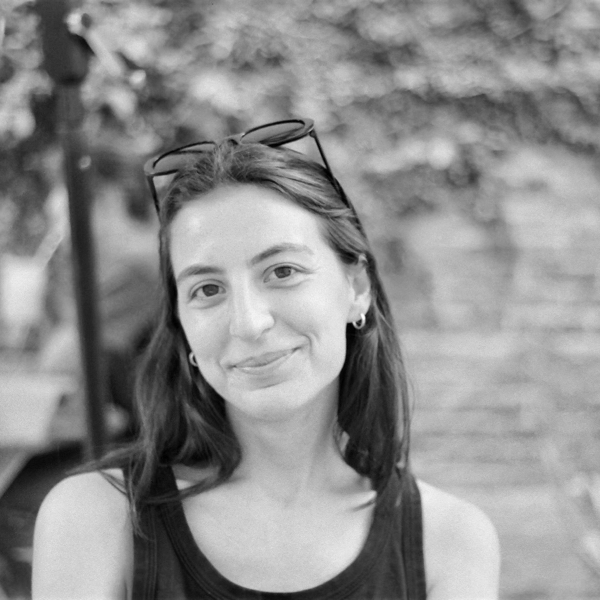
Mireya grew up in the San Fernando Valley and graduated from Pomona College with a B.A. in Environmental Analysis and a concentration in Environmental Justice. Before joining FoLAR in 2019, she worked at various environmental education organizations in LA, teaching youth about everything from gardening to water conservation. Mireya finds the history of the River highly captivating and feels lucky to be able to share its story with students.
Steve Veres served the Los Angeles Community College District as a member of the board of Trustees from 2011–2015. After a 2-year hiatus, he returns to the board for a new 5 year term beginning July 2017. He has served as President and Vice President of the Board as well as chair of the Board’s Institutional Effectiveness Committee and Facilities Management Committees.
As Deputy Chief of Staff to State Senate Leader Kevin de León, Steve works hard every day to protect and empower middle class families. Working with local lawmakers, he helped clean up the LA River, expanded access to higher education, and secured funding to build 17 new parks in Los Angeles. In 2014, Steve helped lead the effort to triple California’s Film and Television Tax Credit and make it more accountable to taxpayers. The bill was praised as one of the most significant steps to protect California’s film industry jobs in the past 100 years.
He is appointed to Santa Monica Mountains Conservancy and has been active on the redevelopment and restoration of the Los Angeles River.
Steve’s long record of public service includes elections to the San Fernando City Council, where he served as Mayor, and appointments to the Metropolitan Transit Authority’s San Fernando Valley Service Sector Governance Council, the Mobile Source Air Pollution Reduction Review Committee, and the Metropolitan Water District.
He has been an Adjunct Instructor at Los Angeles Trade-Technical College and is a former public school teacher. He has also taught various college courses at UCLA. A Los Angeles native, Steve attended Loyola High School and earned his undergraduate degree from UCLA. He was a graduate student and teaching assistant in UCLA’s History department. Additionally, he worked as a journalist and news editor.
Steve and his family live in Sherman Oaks.
A native of Michigan, Jason and his partner have settled in the valley as residents along the Northern LA River. Jason is a leader in equity, intercultural relations, and organizational development with over 15 years of experience improving bottom-line performance and strategic partnerships within and across corporate, nonprofit, and civic sectors for international, national, and regional agencies.
Since focusing his efforts on philanthropic development, Jason has raised nearly $10 million in government contracts, corporate sponsorships, grants, and in-kind resources benefitting the public health, environmental, and socio-economic outcomes of Angelenos. He has led multiple collective impact initiatives to reduce poverty, reverse homelessness, and increase environmental literacy and workforce development throughout the state of California and beyond.
In addition to over 15 years of work on private and non-profit events, music festivals, and touring productions, Virginia has spent the last 20 years working towards social justice advocacy and reform, including criminal justice and prison reform, mental health care access, HIV / AIDS education and service access, and LGBTQ, gender, disability and racial equity. She’s been a member of the Los Angeles chapter of the organization Showing Up for Racial Justice (SURJ), the ACLU, and the Planned Parenthood Federation of America, and is a member of the inaugural cohort of the Real Justice PAC’s Fellows Program of 2020.
Virginia’s also been able to speak publicly on the topic of gendered and racial interpersonal violence in event spaces, and is invested in broadening the scope and definition of “safety” to create holistically safe environments for our communities through events. She’s thrilled to be a part of an organization with a vision for equitable access to open space, nature, and education to all LA Residents, empowering our communities to participate in fully integrated and healthy environmental programs and the growth of our River. She’s also currently studying for the LSAT to go to law school, with the long-term goal of becoming a public interest lawyer, focusing on advocacy for the wrongfully incarcerated and all of those on death row.
Want to contribute to a healthy and thriving River for the benefit of all Angelenos and urban wildlife? Join FoLAR next Earth Month for the 31st Anniversary of our yearly Great LA River CleanUp and be a part of the nation’s largest urban river cleanup effort!
[gravityform id=”54″ title=”true” description=”true”]
Jaime Carlson is Chief Operating Officer at Lunya. Lunya is a luxury lifestyle brand focused on building meaningful leisure. Lunya is disrupting traditional fashion in terms of sustainable supply chains, sales channels and online community.
Previously, Jaime has specialized in alternative asset investment, with a focus on energy, in the Americas. Jaime works on Strategy and Investments for Softbank Energy in North and South America. Prior to Softbank, Jaime was head of Operations at Cypress Creek Renewables, the largest private integrated solar platform in the US with 3 gigawatt of operating assets, and Global Director of Finance at TerraForm Group, a $2B publicly traded renewable energy operating company. She also led mergers & acquisitions in US, Asia, and South America for Rentech, Inc., a Blackstone-backed $550MM revenue natural resource company. Jaime served in President Obama’s first term as a senior advisor to former Secretary of Energy Steven Chu. During her three years, Jaime advised on financial instruments to expand US energy innovation and directly oversaw the deployment of over $35B in Recovery Act funds. Bloomberg New Energy Finance named her one of the country’s thought-leaders in Alternative Energy.
Jaime was a founding member of international award-winning production firm Apertura Films in Panama. Jaime received an MBA and MEM from Yale University and a BS from Tufts University.
Brenda has been a coach specializing in senior executive leadership development for more than 30 years. She is known especially for her work with officers facing large new responsibilities at the enterprise level. She often works with non-traditional leaders who were originally trained in other arenas like law, medicine, engineering or media production.. or those never really trained at all, just natural leaders. She helps these officers learn to lead organizational units amid the complexities of global, multi-functional, multi- cultural organizations. She has also founded and run 3 successful start-ups and understands first-hand the difficulty of stewarding small organizations. Brenda is also interested in non-profits and the educational sphere. She has coached extensively with leaders from universities, charter schools and charities.
Brenda was educated at USC and the Harvard Business School where she earned an BA. Early in her career she worked at BM, Booz Allen and Hamilton (a strategic consulting firm) and Audience Studies, a marketing research company which tested TV programs and movies. Next, she spent almost a decade teaching, primarily in the Business School at Georgetown University in Washington DC. ere she began her coaching practice working with government leaders and International Development executives from organizations like CARE and UNICEF.
After Georgetown, Brenda spent the next decade running organizations, first as a non-profit leader herself and later as an officer in several small companies, including a start-up. The last of these was an international organization providing high-end leadership development for CEOs of large companies where she was responsible for the U.S. operation.
The most recent chapter of Brenda’s career has been focused specifically on coaching and career development for senior officers. She started this period as head of the os Angeles office of a boutique consulting firm specializing in executive career development, Janotta Bray, which was bought by a larger firm in the same field, Right Management. At Right Brenda became the Senior Vice President responsible for the executive practice in the western U.S. Right was eventually purchased by an even larger international firm, the Manpower Group, where, with the blessing of Right’s U.S. leadership, Brenda took the western region’s senior executive consulting team out of the company and formed Eddy Associates. Right Management then out-sourced to Eddy Associates the practice that Brenda had previously managed. Brenda has now been head of Eddy Associates for more than a decade. er recent clients include NASA’s et Propulsion Laboratory (JPL), HBO, Disney and Fox, Loyola Marymount University and Farmers Insurance. She loves coaching and the chance to work with the truly exceptional people that it provides.
Ed Othmer, PE, CPESC, CPSWQ, QSP/D ToR, QISP ToR, ENV SP, PMP is Vice President and the North America Wet Weather Sector Leader for Stantec and has more than 27 years of engineering experience as a stormwater practitioner. Ed is a registered civil engineer in California and has maintained a variety of other certifications. Ed received his Master’s in Civil Engineering from Tufts University.
Ed is passionate about the stormwater market. Keeping up with trends helps deliver work with integrity and confidence, which allows him to serve as a trusted advisor. As the North America Wet Weather Sector Leader, Ed is responsible for strategic planning, business development, project execution, and revenue growth. Ed has served as Principal-in-Charge and
Project Manager on hundreds of stormwater projects across the United States for federal, state, local, and private sector clients.
Ed routinely teaches stormwater classes for many organizations including UCSD Extension Program and Lorman Education. Ed serves on several stormwater technical advisory committees in California. Ed also serves as the Past President and Board Member of the Industrial Environmental Association, Co-chair of the San Diego Regional Chamber of Commerce Sustainability & Industry Committee, a San Diego State University Civil, Construction, and Environmental Engineering Faculty Advisory Board Member, and Storm Water Solutions Magazine Editorial Advisory Board Member.
During his spare time, Ed spends it with his wife and two daughters. He also might be found ocean kayak fishing or hiking some of North America’s tallest mountains.
Richard is joining the FoLAR team to assist with Communications and Partnerships. With a background in digital marketing and analytics, he is looking to use those skills to further FoLAR’s mission for an equitable, accessible, and ecologically sustainable LA River. He is a firm believer that green infrastructure and the principles of sustainability can be leveraged to ensure environmental justice and combat climate change in Los Angeles. While with FoLAR, Richard is concurrently studying as an MPP candidate at the UCLA Luskin School of Public Affairs and working as a Graduate Student Researcher at the Luskin Center for Innovation. He enjoys spending most of his free time outdoors, preferably hiking, skiing or surfing.
After leaving the Obama Administration, Aiyer built and oversaw the public policy & strategic communications practice for the tech startup, Postmates, managing the company’s legislative advocacy, COVID-19 response, and electoral efforts up through its $2.6B acquisition by Uber. As Vice President, he led the unicorn’s policy efforts on state, federal, and international matters ranging from privacy & tax, to the future of work & the gig-economy. Aiyer also helped manage the company’s executive communications, crisis communications, and corporate social responsibility arm (where he spearheaded its partnership with FoLAR and advised the CEO on housing, homelessness, reproductive rights, immigration, and social justice commitments).
He currently lives in San Francisco, where he serves as Mayor London Breed’s Commissioner on the Workforce Investment Board (WISF). Previously, he was a senior official in the Obama Administration serving as Senior Advisor in The White House for innovation & manufacturing policy, and as the Chief of Staff to the Under Secretary of Commerce for Intellectual Property.
Pauline Louie served as the Watershed Ambassador for the Los Angeles River from 2012-2016 as part of the Urban Waters Federal Partnership, a national program started in 2011 to coordinate and accelerate a variety of sustainability, economic and community development projects connecting communities with their urban waterways.
Ms. Louie has coordinated local and federal engagement for the U.S. Department of Housing & Urban Development for nearly 20 years on issues of sustainability, housing, economic development and community resiliency. Ms. Louie has managed projects involving Federal Empowerment Zones, Brownfields Redevelopment, Homelessness, farmworker housing, and grant-writing training. She is recognized as one of HUD’s key field staff in disaster recovery, having coordinated long term recovery planning, and served as the lead Housing official in FEMA long-term community recovery efforts following devastating events in Florida and California.
Before coming to HUD, Ms. Louie worked for Keyser Marston Associates, Inc., where she consulted on redevelopment and BRAC reuse issues to cities and developers in California and Nevada. Prior to that, she was a Contracts and Grants Administrator for the University of California during which she coordinated several job retraining grants and fundraising efforts.
Ms. Louie attended UCLA where she earned Bachelor’s degrees in Political Science, and in Geography/ Environmental Studies. Also from UCLA, she completed her Master’s degree in Urban Planning, with a focus on environmental and transportation policy and planning. She has also completed an executive program in Community Building at the John F. Kennedy School of Government at Harvard University.
Both Pauline and her husband Tim have fond memories of being raised near the Los Angeles River; they continue to make their home in the area.
Antoinette Magee brings over 15 years of college access, educational equity, fund development, grant writing, strategic planning and program development experience. She has been working in the non-profit and education field in and around the Southern California area for most of this time and brings a deep commitment to ensuring all students, especially students furthest from opportunity, have access to quality education ultimately leading to successful college and/or career pathways. Antoinette has worked for the past 10 years as a fund development consultant for Success in Challenges, helping them bring vital resources to their educational and social justice programs serving the greater Long Beach area. In addition, she has worked in program management, educational outreach, and academic and student affairs at Calbright College, the Foundation for California Community Colleges, San Francisco State, San Diego State, Cal State Fullerton and Stanford University. In addition to her experience as a college administrator, she also worked for Young Black Scholars, with the 100 Black Men of Los Angeles, and the Gates Millennium Scholars program.
Antoinette was a Presidential Scholar at San Francisco State University, where she earned her bachelor’s degree in Political Science. She also earned a master’s degree in Multicultural Education from California State University, Dominguez Hills, as well as a master’s degree in Counseling from University of Texas, Tyler.
Antoinette lives in southern California with her husband, two kids, and dog, Sebastian.
Dennis Mabasa (they/them) is a passionate environmentalist from Kalibo, Philippines, currently working as the COO at Friends of the Los Angeles River. Through their 9 years of experience in youth workforce development, instructional design, and community engagement, they have built a proven track record of managing and evaluating high quality internships and educational programs and developing strong and inclusive communities. Former roles include Program Manager of Youth Engagement at the California Academy of Sciences in San Francisco and Education Manager at the National Audubon Society in Dallas, Texas. Dennis is a proud member of the LGBTQ+ community and they joyfully include their culture, identity, and values into their work.
Hi everyone! My name is Kevin (he/him). I am a banana slug graduate in Earth Science with a passion in education. I love talking about rocks, plants, birds, and pretty much anything outdoors. Starting off in seasonal camps, coaching sports, then as an intern with NPS leading educational camps and tours, I found myself here as the Sr. Education Programs Manager. I enjoy being outside, hiking, riding my bike, running along the beach, or inside playing video games or reading.
Having grown up living all over Los Angeles and the San Gabriel Valley, the one thing that remained constant for Oni was having access to nature to escape to. Having witnessed environmental inequality firsthand, growing up in some of the poorest neighborhoods, she became propelled to do something about it and studied environmental science and wildlife conservation in college. However, she began to realize that the sustainable change we needed was not only in our parks but in our cities as well. Shifting the way she viewed environmental conservation, Oni obtained a minor in regenerative studies and a business degree tailored towards working in nonprofits and social impact. With her knowledge and experience, Oni hopes to educate and inspire people to restore their relationship with nature and improve the quality of life in the community for seven generations to come. In her free time, you can find Oni on the golf course or out hiking with her family and their dog, Dazey.
Jessica is a Cuban-American communications professional with a background in biology, environmental studies, and science communications research. She has worked extensively as a strategic communicator, writer, and communications researcher in both higher education and non-profit spaces. She also reported on science stories as a AAAS Mass Media Fellow with the Dallas Morning News. With a passion for finding creative, meaningful, and data-driven ways to connect audiences with the world around them, Jessica is excited to work with the FoLAR team to advocate for the LA River and the diverse communities that surround it.
Tay has 10 years of combined experience working in government, non-profit, campaigns, and the private sector, as a Government Affairs professional. She is particularly interested in sustainability and climate change policy. She has earned a Graduate Certificate in Sustainable Policy and Planning from the University of Southern California, where she also obtained a BA in Philosophy, Politics, and Law. In her spare time, Tay runs a small development company aimed at providing quality housing to low income individuals. She enjoys outdoor activities, traveling, and volunteering in the community.
As a native of the Lower LA River, Candice is a leader in sustainability, equity, and education across the State of California. She has been working in the nonprofit sector for over 20 years, with experience working with school districts, government agencies, utilities, and municipalities on sustainability and environmental education. As a leader in equity and environmental justice, Candice has guided several organizations in their equity strategic planning. Candice lives along the Rio Hondo in a hidden eco cottage with her husband and ten year old daughter.
Marissa is a career advocate, a mom, and a feminists who has spent the last 16 years working towards a better world in spaces that mitigate our impact on health and nature. Her interest is the connection between natural climate solutions and human health and her mission is a safe, habitable future for the girls who will lead it.
My name is Danette Bouzanquet and I’m Friends of the L.A. River’s Youth Engagement Manager. I’m an educator and an artist, and the drive for both these passions stems from my grandparents teaching me how to live amongst their fruit trees, volunteer tomato plants, and blackberry brambles in their L.A. backyards during my early childhood. I took their lessons with me to the San Francisco Art Institute where I made films about human relationships to each other and to the ground below us during a time of climate crisis. After earning my Bachelors in Fine Arts from SFAI I found that same passion here in L.A., teaching kids about the land they live on and how our future is dependent on its health. I feel grateful to have the opportunity to impact children and help them come into their power as people who will live through the climate crisis.
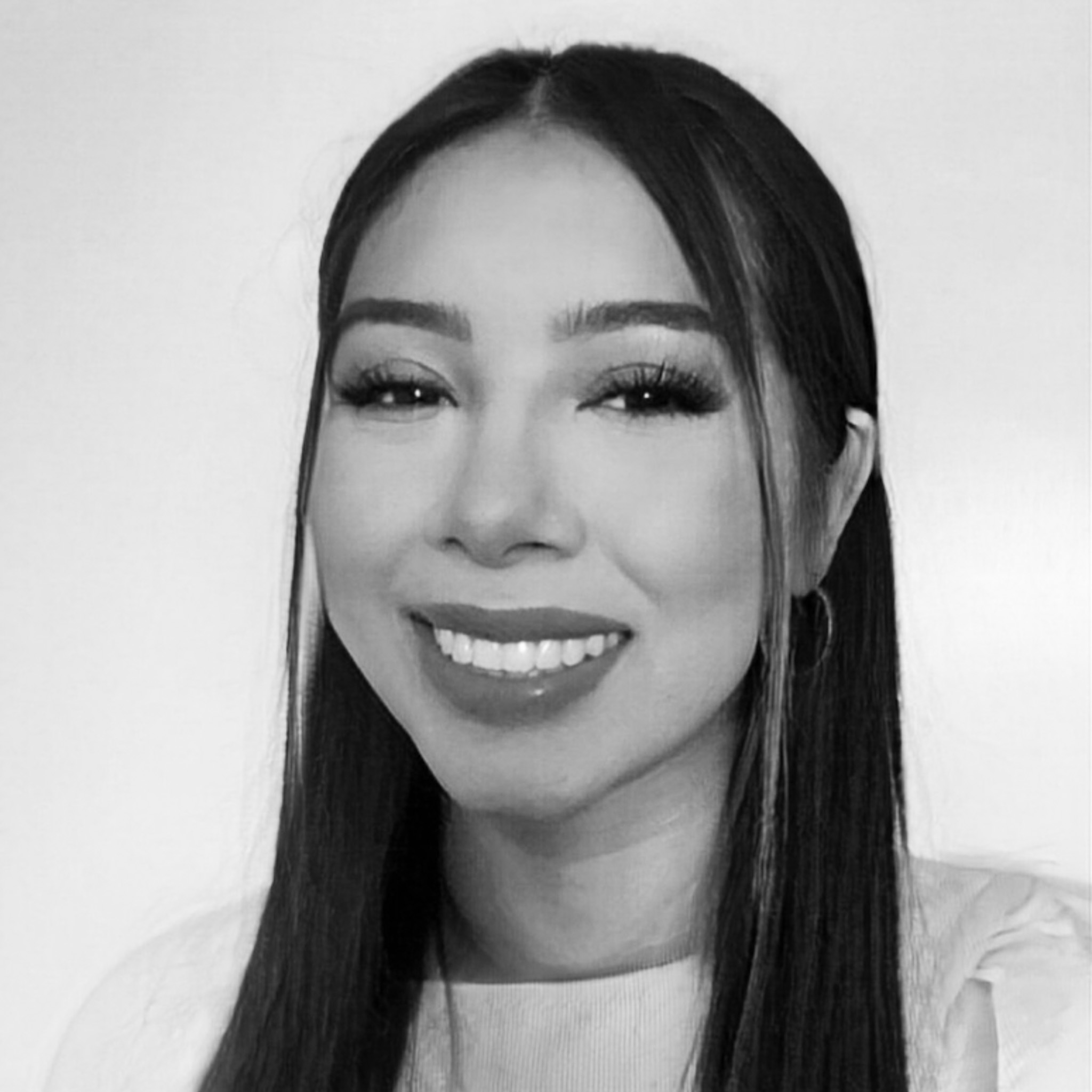
Hailing from Paramount, California, Vanessa has always been engaged in environmental education and action. She solidified her love for the environment and interest in international politics while studying at California State Polytechnic University, Pomona, where she obtained a BA in Political Science with a concentration in Environmental Policies and Politics. She believes the way to ignite one’s passion for sustainability is through education and conversation. Always committed to protecting all life forms, Vanessa has extensive experience planning and executing eco-friendly events in order to bring more awareness to our changing world brought about by climate change. Prior to her role at Friends of the Los Angeles River, Vanessa has advocated for environmental justice through research, volunteerism, and political activism. In her spare time, Vanessa enjoys traveling, gardening, and collecting vinyl records.
Kristen Brown (she/her) grew up in the Crescenta Valley and later attended Pitzer College, where she received a Bachelor of Arts degree in Environmental Analysis and Critical Global Studies. As an undergraduate, she studied abroad in Ecuador and welcomed new students to the campus community with New Student Orientation. Kristen has a few years of experience with environmental nonprofits, most recently completing a fellowship focused on green workforce development and streamlining weatherization custom data reporting. She looks forward to interfacing with supporters of Friends of the Los Angeles River and ensuring the organization’s continued impact with the Development team. In her free time, you can find Kristen going on her daily walk, cheering at Angel City home games, and cat-sitting for local friends and family.
A seasoned environmental leader committed to community-led conservation, Erin called Northern California home before moving to the Valley with her family, near the LA River. With over two decades of extensive experience in environmental leadership and strategic management, Erin’s expertise lies in guiding transformative initiatives that bridge the connection between people and the natural world.
Her background includes fostering community engagement, championing environmental education, and driving sustainable grassroots movements. Erin’s commitment to advancing environmental causes has been instrumental in her career, reflected in her dedication to fostering sustainable practices and empowering communities to make a meaningful impact on their ecosystems.
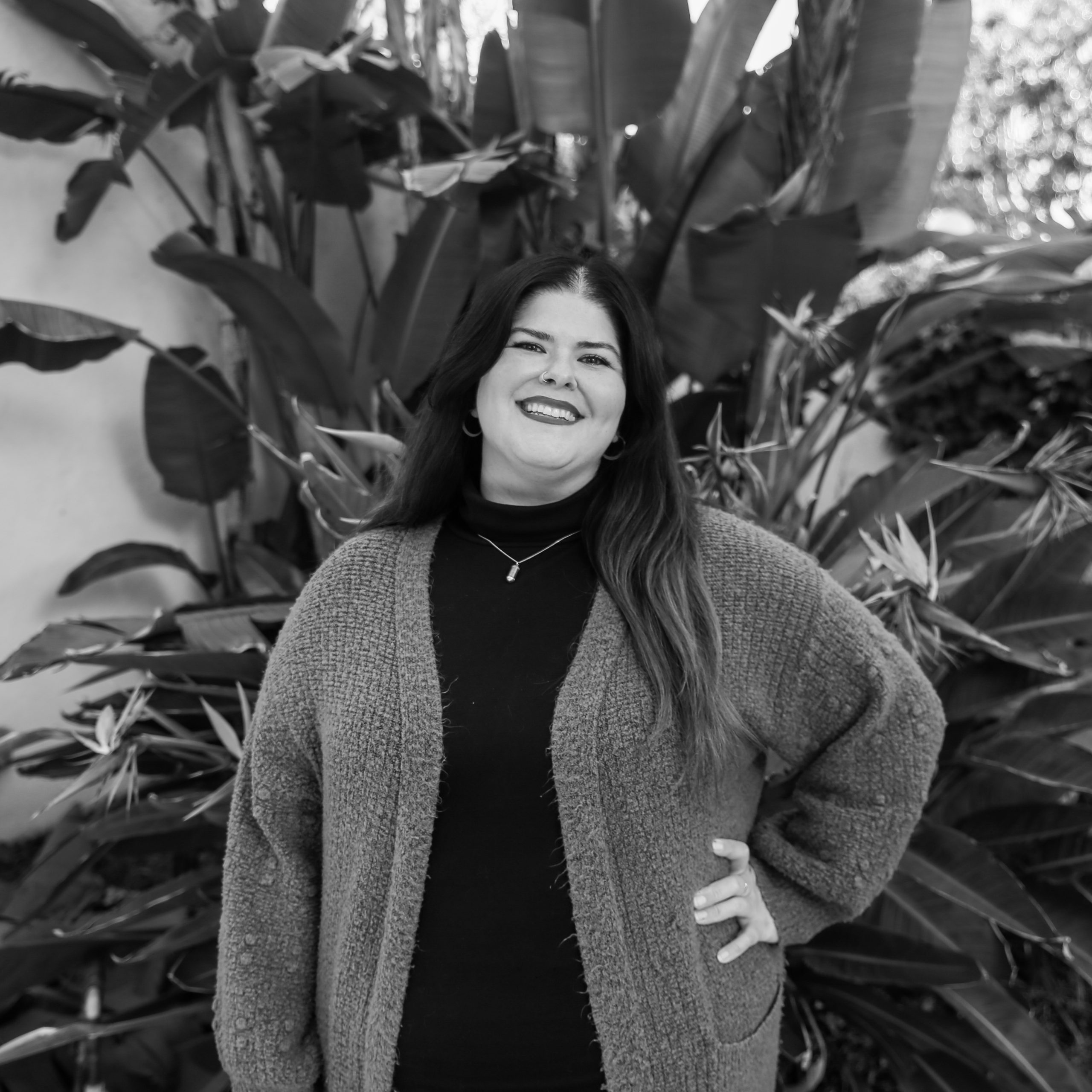
Sarah Navarrette is a proud SoCal Native event professional. In Sarah’s youth she found her love for events as she became a leader in school, organizing events for students and families. After high school she found her love and passion for community involvement after volunteering at local food banks. She began her career in events entertainment in small local coffee shop open-mic nights, moving to corporate parties, fan conventions and eventually found herself in the world of music festivals. Having experience in coordinating volunteers, special department heading as well as full scope event planning and execution. Her career as an event professional has taken her around the world participating on event teams in Europe, Asia and Latin America. During her time traveling being a part of such amazing shows, she still longed for connection with her local home community. In her search for the perfect blend of events and community, she found Friends of the LA River and fell in love. Sarah joined the FoLAR team and her heart is full. She is so excited to share her event expertise to help lead and expand the events and volunteer areas of the organization. She is equally so excited to learn more about the environment and be a part of the work done here at FoLAR. Sarah is ready and thrilled to help bring the community together around the River.
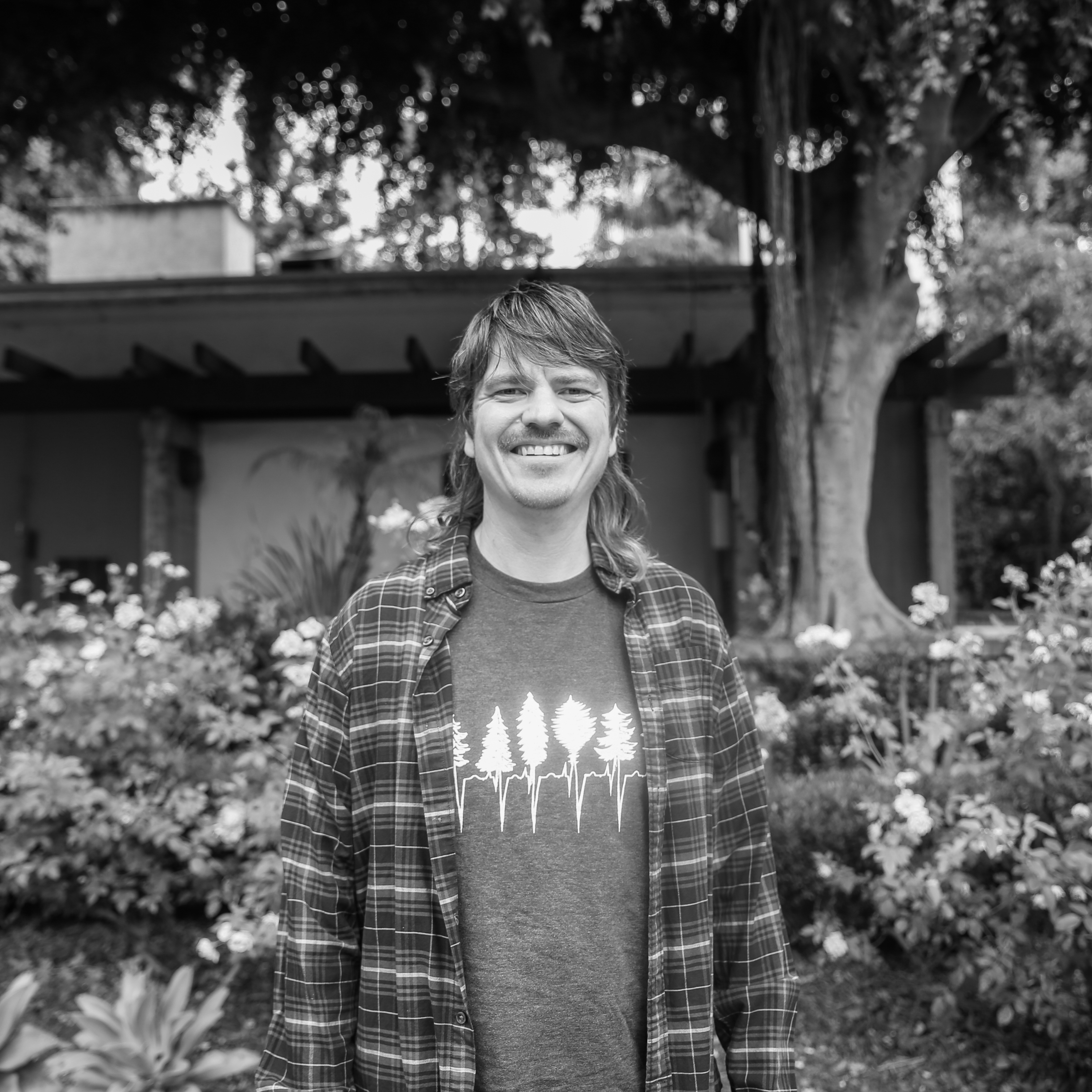
Dan has been on a educating journey working with kids for the last 6 years in science and the arts. After volunteering with nonprofits and doing some after school enrichment programs, the pandemic threw him into being a head teacher for a kindergarten pod in Atwater Village. With this trial by fire under his belt, he was hooked. Dan spent the last few years at a Waldorf school incorporating his love of art and the natural world into various forms of curriculum. After spending the summer as a River Educator at FOLAR, he is excited to share his passion for science, art, and mindfulness.
Elisabeth Aukee (she/her) is an experienced educator, LA native and volleyball coach. She has earned bachelor’s degrees in Political Science and Environmental Science at San Francisco State University with a specialization in Sustainability and Social Justice and minors in Education and Special Education as well as earned a certificate in Climate Change Studies and Research from the Environmental Science Department at SF State all while playing volleyball for the school. Elisabeth has extensive professional and volunteer experience in outdoor environmental education, environmental policy and habitat restoration and hopes to bring her skills towards connecting students and the community to the LA River. In her free time she loves to read, watch movies, play with her two dogs Jimmy and Dexter, and play and coach volleyball.
Heather is a former photojournalist who traveled the globe exploring oceans and waterways from the back of a personal watercraft. Her work has been published in magazines around the world. After taking some time off to raise a child and run a few restaurants she has decided to get back to her water roots. This time around she will be learning, exploring and helping educate herself and the community about the LA River.
Rebekah grew up in New York where she found her passion for outdoor recreation and stewardship. She has a decade of experience working in the nonprofit sector focusing on education and community initiatives for arts organizations. In 2023 she moved to Los Angeles to start a new chapter in the outdoor industry and share her love for the environment with the community around her. In addition to her work with FoLAR, Rebekah works as an wilderness skills educator and guide on kayaking and backpacking trips in Southern California.
Your gift will power our environmental education programs which deliver place-based eco-education to students and youth across LA, support our policy and advocacy initiatives focused on ensuring equity and climate resilience along the LA River, and help us to engage community members and connect the public to the River and all it has to offer.
Go to our Donations Page to get started!